
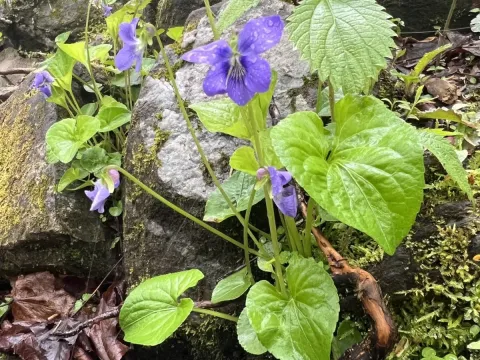
Blue marsh violet
Viola cucullata
In temperate climates, the seeds of the blue marsh violet are most commonly sown before winter, which provides natural stratification for the material.
What the section contains
Blue marsh violet
When sowing in the spring, the seeds require pre-chilling at low temperatures for 4 to 6 weeks to ensure successful germination.
The optimal planting depth for the seeds is no more than 0.5 cm, as a small amount of light is necessary to trigger the germination process.
Seedlings should be pricked out when the first two pairs of true leaves appear if they were started in a communal seed tray.
Transplanting into open ground is carried out at the end of spring, once the risk of late frosts has passed, to ensure rapid root establishment.
The blue marsh violet prefers semi-shaded areas with protection from direct sunlight, which can easily scorch its delicate foliage.
The crop has high requirements for soil moisture, favoring loose, humus-rich substrates with a neutral or slightly acidic pH level.
The optimal temperature range for vegetation is 18–22 degrees Celsius, as extreme heat significantly slows down plant development.
During the active growing season, the plant requires consistent watering to prevent the drying out of its shallow root system.
To maintain high ornamental value and abundant blooming, it is recommended to apply periodic liquid mineral fertilizers.
The most dangerous pest for this species is the spider mite, which reproduces rapidly in low-humidity environments.
In densely planted areas with poor ventilation, the plant is frequently affected by powdery mildew, requiring fungicide treatment.
Slugs and snails can cause significant damage to young leaves by feeding on their edges during nighttime hours.
With excessive watering and poor drainage, the root system is susceptible to fungal diseases, such as gray mold and root rot.
Disease prevention involves strict adherence to watering regimes, regular weeding, and ensuring sufficient air circulation around the plants.