
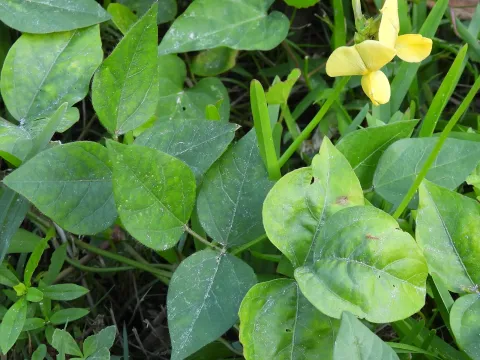
Vigna repens
Vigna repens
Vigna repens is a trailing, herbaceous legume belonging to the Fabaceae family. Its biological nature involves prostrate stems that frequently root at the nodes, allowing it to colonize soil surfaces effectively.
What the section contains
Vigna repens
Sowing should be scheduled once soil temperatures reach a consistent minimum of 20°C. Cold soil conditions are detrimental to germination and significantly delay the establishment of the crop.
Seed preparation often includes selecting high-vigor seeds and ensuring they are free from pathogens. Planting depth is typically adjusted based on soil moisture levels, generally ranging from 3 to 5 centimeters.
Row spacing is optimized for mechanical harvesting and weed management, usually set between 50 and 60 centimeters. Adequate space is essential to prevent overcrowding and promote proper canopy development.
The seeding rate must be calculated based on seed weight and desired plant population per hectare, ensuring that competition for light and water remains at a manageable level.
This crop is strictly adapted to tropical and subtropical climates, requiring high temperatures and long photoperiods to achieve its genetic potential. It is highly sensitive to frost and cold stress.
Vigna repens thrives in well-drained soils, ranging from sandy loams to heavier clay-based soils, provided they are not waterlogged. Soil pH should ideally be within the neutral range.
The plant plays a significant role in nitrogen fixation through symbiotic relationships with Rhizobium bacteria. This biological process enhances soil fertility and reduces the need for synthetic nitrogen fertilizers.
Water requirements are highest during the initial stages of establishment. Once matured, the crop exhibits good resilience to occasional dry spells, although prolonged drought will inhibit vegetative growth.
Optimal light exposure is crucial; even partial shading during the main growth phase can lead to reduced biomass and impaired seed production, limiting the overall harvest potential.
Fungal diseases are the primary threat, particularly under humid tropical conditions where air circulation is restricted. Diseases such as leaf spot and rust require constant monitoring and potential fungicide intervention.
Insect pests, including various aphids and foliage-feeding beetles, can cause significant damage. These pests can also serve as vectors for various plant viruses, necessitating integrated pest management programs.
Root-knot nematodes can also affect the crop, especially in sandy soils. Rotating Vigna repens with non-host crops is a common strategy to keep pest populations below economic thresholds.
Management of these threats relies on a combination of cultural practices, such as proper field hygiene, and the use of certified, disease-resistant planting material.
- Leaf spot
- Rust
- Aphids
- Beetles
- Root-knot nematodes