
Vitaliana
Vitaliana
Vitaliana (Vitaliana primuliflora) is a charming, low-growing perennial herb belonging to the Primulaceae family. It is native to the high-mountain ranges of Europe, where it thrives in exposed, rocky habitats and calcareous soils at significant elevations.
What the section contains
Vitaliana
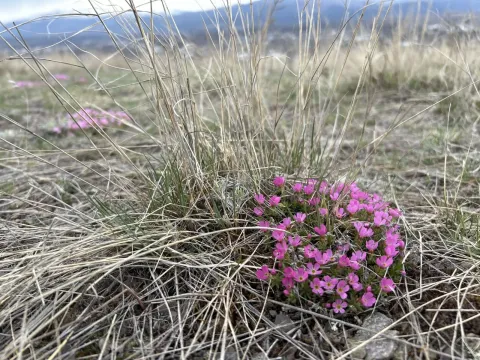
Botanically, the plant is characterized by its cushion-forming habit, consisting of dense rosettes of small leaves. During the spring, it produces solitary, vibrant yellow flowers that emerge directly from the cushion, creating a stunning visual display in its natural environment.
To cultivate Vitaliana successfully, one must replicate its native conditions, primarily by providing a perfectly drained substrate. A mixture of gravel, grit, and minimal organic matter is essential to ensure that water never accumulates around the root zone, preventing rot.
This species requires full sun to maintain its compact growth form and promote blooming. In lowland climates, protection from extreme summer heat is necessary, as the plant can suffer significantly from heat stress and high humidity, which are detrimental to its health.
In gardening, Vitaliana is prized as a premier choice for rock gardens, trough gardens, and alpine collections. It requires very little maintenance once established but demands constant attention to the soil structure to avoid the common issues associated with its specific ecological needs.
Root and crown rot are the primary threats to Vitaliana, often triggered by excessive moisture during dormant seasons. The use of a top dressing of fine gravel around the plant base is a standard practice to keep the leaves dry and ensure long-term survival.
Pests such as aphids and spider mites can sometimes affect the plant, particularly if it is weakened by environmental stress, such as overheating or poor air circulation. Regular inspection and localized treatment are recommended to keep these pests under control.
Fungal pathogens like powdery mildew may arise if the plants are situated in areas with high humidity and poor ventilation. Keeping the area free from debris and allowing for efficient air flow are the best defensive measures against such infections.
Competing weeds present a major threat, as Vitaliana is a slow-growing plant that cannot compete for resources. Careful, manual weeding is required, as the root system is delicate and can be easily damaged by aggressive gardening tools or heavy-handed clearing.
Incorrect soil pH can hinder nutrient absorption, causing the plant to show signs of chlorosis or stunted growth. Since it thrives on calcareous substrates, maintaining a slightly alkaline to neutral pH is crucial for healthy foliage and regular floral production.