
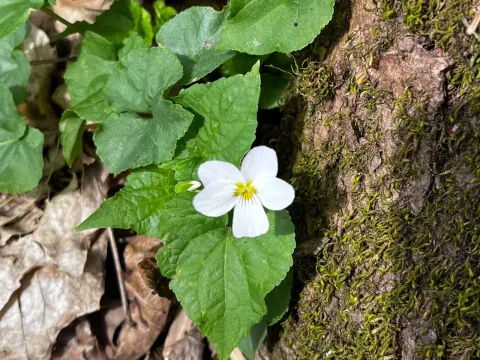
Canadian violet
Viola canadensis
Sowing Canadian violet seeds is most successful when performed in late autumn, allowing for natural winter cold stratification. This process is essential for breaking seed dormancy and ensuring uniform germination in early spring.
What the section contains
Canadian violet
If sowing indoors, place the seeds in a moist substrate and keep them in a cold frame or refrigerator for several weeks. Once the cold requirement is met, move them to a brighter area with a temperature around 18 degrees Celsius for germination.
Transplanting seedlings to the garden should occur once the risk of spring frost has completely passed. Choose a location with fertile, well-draining soil to ensure the young plants can establish strong root systems before the heat of summer.
For best results, maintain a spacing of approximately 25 centimeters between plants. This allows for adequate airflow and prevents the overcrowding that can lead to disease outbreaks later in the growing season.
Propagating via root division is another viable method for established colonies. Carefully lift the clump in early spring or autumn, separate it into smaller sections, and replant immediately to prevent drying out.
Canadian violet thrives in partial to full shade environments, making it an excellent candidate for woodland gardens or north-facing borders. It naturally grows in forested areas where the light is filtered through the canopy.
The soil should be rich in organic matter, slightly moist, and well-drained. If your native soil is heavy clay, incorporate organic compost or leaf mold to improve structure and promote healthy root respiration.
Watering is crucial during prolonged dry spells. While the plant is relatively hardy, consistent soil moisture will keep the foliage lush and support a longer, more abundant blooming period throughout the season.
Feeding the plants with a balanced, slow-release fertilizer in early spring helps stimulate vigorous vegetative growth. Avoid heavy applications of high-nitrogen fertilizers, which may lead to excessive leafy growth at the expense of flowers.
Mulching with a thin layer of leaf compost helps maintain stable soil temperatures and keeps moisture levels consistent. This mimics the plant's natural woodland habitat and suppresses competing weeds effectively.
Powdery mildew is a common fungal issue that can affect plants during periods of high humidity and poor airflow. Managing plant spacing and ensuring good drainage are the primary preventative measures.
Slugs and snails can be highly destructive to young foliage, particularly in damp conditions. Use organic bait traps or physical barriers to protect the plants during the vulnerable early growth stages of spring.
Aphids might occasionally infest the tender stems or new leaves. In most cases, a simple spray of water or a mild insecticidal soap solution is sufficient to manage the population without harming beneficial insects.
Root rot caused by overwatering or poor drainage is a significant threat to the plant's longevity. Always check the drainage capacity of your soil before planting to avoid stagnation of water around the root zone.
Regular sanitation, including the removal of dead or yellowing leaves at the end of the season, reduces the overwintering sites for potential pests and pathogens, keeping the plant bed healthy for the next year.