
Caucasian violet
Viola caucasica
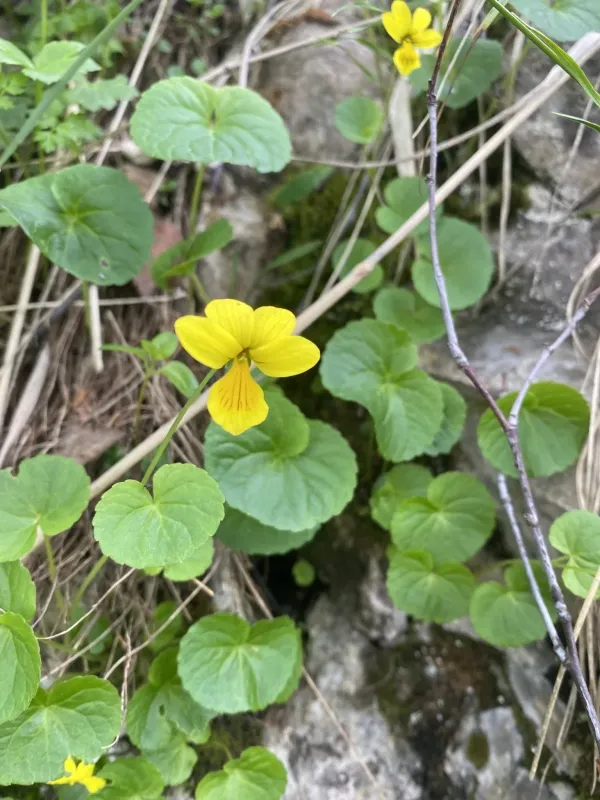
Description
Sowing dates
Sowing seeds of Viola caucasica is typically performed in late autumn to benefit from natural stratification, which enhances the germination rate for the following spring season.
If sowing in spring, it is advisable to utilize greenhouse conditions with a consistent temperature of 15 to 18 degrees Celsius to ensure uniform seedling emergence.
Seeds should be covered with a very thin layer of substrate, no deeper than 0.5 centimeters, as they require sufficient light exposure to initiate the germination process.
Maintaining a well-drained, sterile seedling mix is crucial to prevent damping-off disease, which is a common issue for young violet seedlings in high-humidity environments.
Transplanting into the permanent site should be executed with care to avoid disturbing the sensitive root system, ensuring adequate spacing of about 20 centimeters between plants.
Growing requirements
The Caucasian violet, a member of the Violaceae family, originates from the mountainous regions of the Caucasus, where it thrives in alpine and subalpine conditions.
This crop demands nutrient-rich, permeable soil with a balanced moisture level, avoiding both extreme drought and waterlogged conditions that can damage the root system.
While the species prefers sunny locations, it can tolerate partial shade, especially in warmer climates where protection from the midday sun is necessary for leaf health.
Regular fertilization with balanced NPK formulas is recommended during the early spring and before the flowering phase to support vigorous growth and color intensity.
The species exhibits a robust nature regarding cold tolerance, making it an excellent choice for temperate climates, provided that the soil is properly prepared before planting.
Main diseases and pests
Aphids and spider mites are the most frequent pests affecting the Caucasian violet, often appearing during dry weather spells or when plants are stressed by lack of moisture.
Fungal diseases, including powdery mildew, frequently occur in crowded plantings where air circulation is restricted, leading to leaf discoloration and weakened structure.
Root rot remains a significant threat in poorly managed soils where water accumulates; this physiological disorder often leads to sudden plant decline and death.
Effective management involves monitoring leaf undersides for pests and applying targeted plant protection products only when necessary to minimize chemical impact.
Cultural practices, such as removing debris and ensuring proper spacing between plants, significantly reduce the incidence of pathogens and promote healthier crop stands.