
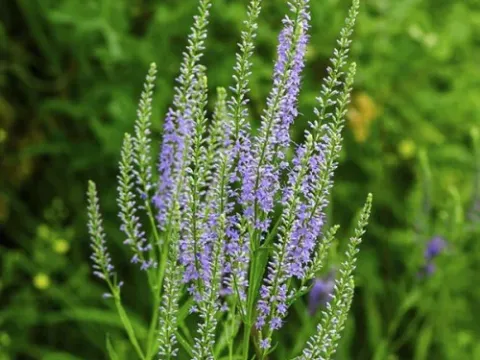
Veronica paniculata
Veronica paniculata
Propagation of Veronica paniculata is typically achieved through seeds or vegetative division. Seeds are best sown in late autumn or early spring, requiring a cold stratification period to break dormancy and ensure uniform germination across the seedbed.
What the section contains
Veronica paniculata
When sowing outdoors, seeds should be scattered on the surface of finely raked soil, as they are light-dependent for successful germination. Pressing them lightly into the substrate ensures good contact without burying them too deep, which would inhibit their development.
For vegetative propagation, dividing mature clumps in spring or early autumn is the preferred method. This technique guarantees that the new plants inherit the exact characteristics of the parent, making it ideal for large-scale landscaping projects.
When transplanting seedlings to their final location, spacing of at least 30 to 40 centimeters is recommended. Proper spacing is crucial to prevent competition for nutrients and water, while also ensuring good air circulation around the foliage.
Cuttings can be taken from young vegetative stems in early summer. These should be kept in a greenhouse environment with high humidity to promote rapid root development before they are hardened off for planting in the open field.
Veronica paniculata belongs to the Plantaginaceae family and is recognized as a hardy perennial. It is naturally adapted to steppe and forest-steppe environments, characterized by well-drained soils and high exposure to natural sunlight.
The plant thrives in fertile, well-draining loamy or sandy soils with a neutral pH level. It is highly valued for its drought tolerance, which makes it a sustainable choice for xeriscaping and low-maintenance ornamental gardening in various climate zones.
Sunlight is the primary factor for the development of strong, erect flowering spikes. Veronica paniculata should be planted in full sun locations to prevent leggy growth and to ensure the most vibrant color intensity of its characteristic panicles.
It is a frost-hardy species, capable of surviving harsh winters with minimal protection. This biological resilience allows it to be grown extensively in temperate regions where temperature fluctuations can be significant during the winter months.
Regular maintenance involves weeding and light soil cultivation to improve aeration. While it is not a nutrient-demanding plant, a balanced application of fertilizer in early spring can significantly boost vegetative vigor and the abundance of blossoms.
The primary economic use of Veronica paniculata is within the ornamental horticulture and landscaping industry. It is widely used in perennial borders, mixed flower beds, and as a structural element in modern garden designs.
As a cut flower, it offers excellent vase life and a unique aesthetic appeal that is highly sought after for floral arrangements. Its vertical growth habit provides necessary height contrast in bouquets, complementing a variety of other summer blooms.
The plant serves as an important resource for biodiversity, particularly by attracting bees, butterflies, and other essential pollinators. Incorporating it into agricultural landscapes can enhance local ecosystem services by supporting populations of beneficial insects.
Removing spent flower spikes is a common practice to keep the plants tidy and potentially encourage a secondary flush of smaller flowers later in the season. This also prevents excessive self-seeding, which helps in maintaining the planned garden layout.
In nursery production, the yield of healthy, vigorous nursery stock is dependent on proper moisture management and controlled spacing. Efficient propagation techniques ensure a steady supply of high-quality plants for both wholesale and retail markets.
The most common issues for Veronica paniculata are fungal diseases, particularly powdery mildew and various leaf spot pathogens. These problems are generally associated with poor air circulation or excessively high humidity during the flowering stage.
Preventive measures include planting at recommended densities and avoiding overhead irrigation. If a fungal infection occurs, applying appropriate fungicides can help manage the spread and maintain the aesthetic quality of the foliage.
Aphids are the primary insect pests that target the soft tissue of new shoots, potentially causing stunting and foliage deformation. Regular inspection during the early growth phase allows for early intervention with mild insecticides or biological control agents.
Larvae of certain lepidopterans may occasionally feed on the leaves, though they rarely cause fatal damage to well-established, healthy plants. Handpicking or the use of targeted biological sprays is usually sufficient to handle these occurrences.
Good field hygiene, including the removal of dead plant material at the end of the season, significantly reduces the overwintering potential for pathogens and pests, ensuring a healthy start for the following year's growth.