
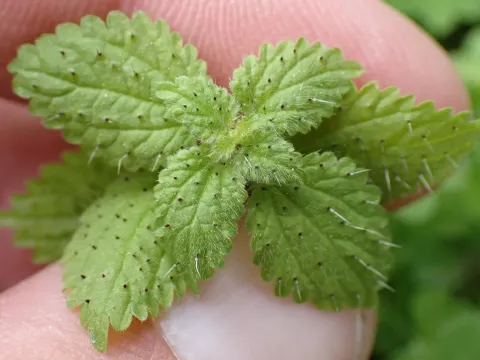
Hesperocnide
Hesperocnide
Hesperocnide is a genus of annual herbaceous plants belonging to the Urticaceae family. These plants are primarily recognized in botanical circles for their distinct morphological features and ecological preferences.
What the section contains
Hesperocnide
The sowing process for Hesperocnide requires careful preparation of the seedbed. Seeds are typically sown in early spring after the soil has warmed up to at least 10–12 degrees Celsius, ensuring a frost-free environment.
Seeds should be sown shallowly, as they need light to initiate germination effectively. Proper spacing is essential, with rows placed approximately 30–40 centimeters apart to prevent plant crowding and competition for light.
Soil moisture must be kept consistent during the initial stages of seedling development. Using a fine mist for irrigation helps prevent the seeds from being displaced or buried too deeply during the early germination phase.
Once seedlings have reached the three-leaf stage, thinning may be required to maintain optimal plant density. This practice ensures that each plant receives adequate ventilation and nutrient access for healthy development.
Hesperocnide thrives in regions that offer a temperate climate with consistent levels of humidity. The plant requires well-drained, nutrient-rich soil that avoids excessive water retention to prevent root damage.
Environmental requirements include a balance of partial shade and filtered sunlight. Extremely intense, direct midday heat can cause leaf scorch and dehydration, necessitating protection through artificial shade or strategic site selection.
The plant is sensitive to soil acidity levels and prefers neutral to slightly acidic pH values. Incorporating organic matter, such as well-rotted compost, into the top layer of the soil supports vigorous vegetative growth.
Efficient irrigation is a cornerstone of Hesperocnide agronomy. Drip irrigation systems are highly recommended to keep the foliage dry, thereby reducing the prevalence of moisture-loving pathogenic fungi.
Supplemental fertilization should be moderate. A balanced NPK fertilizer applied early in the vegetative cycle supports structural integrity without encouraging excessive, weak stem elongation.
Major threats to Hesperocnide cultivation include fungal diseases, most notably powdery mildew, which rapidly colonizes foliage under conditions of high humidity and poor air circulation.
Insect pests such as aphids and spider mites frequently target the succulent tissues of the plant. Monitoring these populations is vital, as heavy infestations can lead to significant biomass loss.
Root pathogens, such as species in the Pythium complex, pose a risk in waterlogged soils. Ensuring excellent drainage is the primary method of preventing these soil-borne diseases from affecting the root system.
Integrated pest management (IPM) practices, including the release of beneficial predatory insects, are effective in controlling aphid populations without the need for heavy chemical applications.
Cultural practices, such as removing debris from the field and maintaining proper row ventilation, are essential preventative measures that significantly reduce the risk of disease outbreak.