
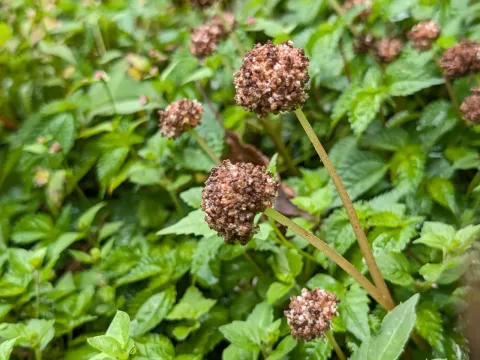
Lecanthus
Lecanthus
Lecanthus is a genus of herbaceous plants belonging to the family Urticaceae. These plants are often found in tropical and subtropical regions of Asia and Africa, where they thrive in moist, shaded environments like mountain forests and rocky ravines.
What the section contains

Lecanthus
Botanically, species of Lecanthus are characterized by their succulent-like stems and distinct leaf arrangements. They are highly adapted to humid environments, where they often grow on damp rock faces or leaf litter, relying on consistent ambient moisture to maintain their vigor.
The climate requirements for Lecanthus are quite specific: they need high humidity and stable, warm temperatures. They are not suited for frost or direct, scorching sunlight, which can quickly dehydrate the fleshy stems and damage the foliage.
Soil requirements involve a well-draining, nutrient-rich substrate, typically peat-based with added perlite for aeration. Consistent but light watering is crucial to keep the root system healthy without causing waterlogging, which is a major physiological threat to the genus.
In terms of agricultural and horticultural use, Lecanthus is valued primarily as an ornamental specimen. It is frequently grown in greenhouses, terrariums, and specialized collections, serving as an attractive ground cover or an accent plant in humid, shaded indoor environments.
Root rot is the most significant threat to the health of Lecanthus. It typically results from overwatering or a lack of drainage, leading to the rapid decay of the delicate, succulent stem structures if the substrate remains water-saturated for prolonged periods.
Spider mites are the most prevalent pest, particularly when the ambient humidity is insufficient. These pests thrive in dry air, and if left unchecked, they can cause significant discoloration and eventual shedding of the foliage, drastically reducing the plant's aesthetic value.
Mealybugs are another common challenge for growers. These pests often hide in the axils of the leaves, making them difficult to detect until an infestation is well underway. Manual removal and biological control methods are preferred over harsh chemical treatments.
Fungal pathogens, including gray mold (Botrytis), may infect the plant if ventilation is poor and air circulation is stagnant. High humidity, while essential, must be balanced with adequate airflow to prevent the germination of fungal spores on leaf surfaces.
To ensure plant health, regular inspections and maintenance are required. Pruning dead or diseased material helps prevent the spread of infections and encourages new growth, keeping the plant resilient against common environmental stressors.