
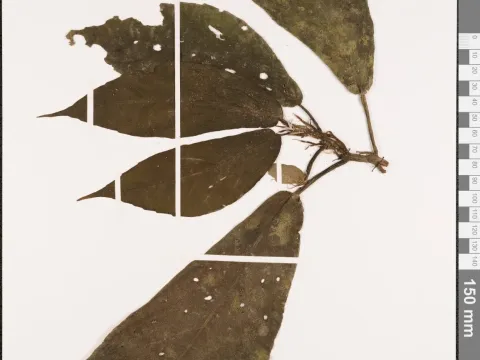
Elatostematoides
Elatostematoides
Elatostematoides is a genus of herbaceous perennial plants belonging to the Urticaceae family. These plants are characterized by their adaptation to forest understories in tropical regions, requiring specific environmental conditions that mimic their natural habitat in Southeast Asia, including parts of New Guinea and the Philippines.
What the section contains
Elatostematoides
In terms of climate requirements, Elatostematoides thrives in tropical conditions with consistent temperatures between 20°C and 26°C. They are highly sensitive to low temperatures and frost, which means that in non-tropical regions, they must be cultivated strictly in greenhouses or temperature-controlled indoor environments.
The soil structure must be well-drained and rich in organic matter. A mixture consisting of peat, leaf mold, and perlite or sand is generally recommended. This composition ensures that the root system receives sufficient aeration while maintaining the moisture levels required for the plant's physiological development.
Light exposure for this genus should be filtered or indirect. Direct sunlight can cause severe damage to the foliage, such as scorching and dehydration. In professional cultivation, shading nets are often used to maintain the intensity of illumination at levels that support photosynthesis without stressing the plants.
Water management is critical for the survival of the culture. The soil should be kept consistently moist but not waterlogged. The accumulation of standing water in the root zone must be avoided through proper drainage systems, as the genus is highly susceptible to root decay when subjected to prolonged saturation.
Fungal diseases are the primary threat to the health of Elatostematoides, particularly in high-humidity environments with stagnant air. Botrytis and various stem rots are common, requiring strict adherence to sanitation protocols, such as regular removal of dead tissue and proper spacing between plants.
Pest management focuses primarily on common greenhouse invaders such as spider mites and mealybugs. These pests thrive in dry conditions; thus, maintaining optimal humidity levels is the first line of defense. If an infestation occurs, integrated pest management practices should be implemented to minimize chemical intervention.