
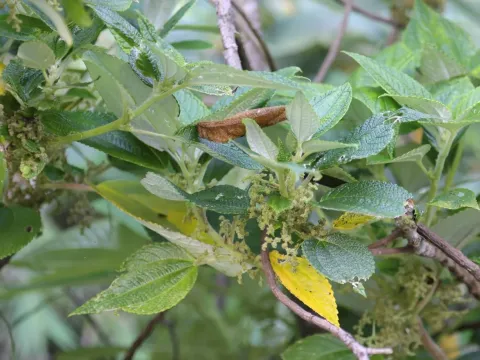
Maoutia
Maoutia
Maoutia is a perennial shrub that is primarily cultivated in tropical regions where high humidity and warm temperatures persist throughout the year.
What the section contains
Maoutia
Propagation is typically handled through seed distribution or vegetative cuttings, which allow for rapid establishment in suitable tropical environments.
The sowing process requires a moist, nutrient-rich seedbed that provides the necessary conditions for the seeds to overcome dormancy and start rapid growth.
Spacing between plants must be carefully managed to ensure adequate airflow, which prevents the development of fungal infections in dense plantation rows.
Seedlings should be protected from extreme heat during their early growth stages, as they are susceptible to desiccation until their root systems are fully established.
As a member of the Urticaceae family, Maoutia thrives in warm, humid climates and is well-adapted to the understory conditions of tropical forest margins.
The plant requires deep, well-drained soils that are rich in organic matter to support the rapid stem development necessary for high-quality fiber yield.
Soil pH should ideally be slightly acidic, mirroring the conditions of forest soils where organic decomposition provides essential nutrients for the plant.
Moderate shade is beneficial for Maoutia, as it helps maintain lower surface temperatures and reduces the rate of evapotranspiration from the leaves.
Water requirements are relatively high, and consistent irrigation during the growing season is necessary to ensure the flexibility and tensile strength of the fibers.
Root rot is the most common threat, especially in areas with poor drainage where excess moisture creates an environment favorable for soil-borne pathogens.
Various insects, particularly aphids and beetles, can cause localized damage to the foliage, which reduces the overall photosynthetic capacity of the plants.
Fungal diseases like leaf spots can become problematic during prolonged periods of heavy rainfall if the canopy density is too high to allow for sufficient aeration.
Nematode infestations can lead to stunted growth and yellowing of the leaves, making it essential to implement proper crop rotation cycles in agricultural settings.
Maintenance involves regular monitoring for signs of stress or pest infestation to intervene early and prevent significant losses in fiber production.
The harvesting process focuses on extracting the fibrous bast from the stems, which are cut when the plants reach peak maturity for fiber quality.
After harvesting the stems, they are subjected to a retting process, where the biological breakdown of soft tissues facilitates the extraction of the tough outer fibers.
Traditional agricultural practices often involve manual stripping of the bark, which preserves the integrity and length of the natural fibers obtained from the shrub.
Once extracted, the fibers must be washed and dried systematically to prevent microbial growth that could degrade the quality of the end product.
The residual biomass can be used as organic mulch, returning nutrients to the soil and supporting the sustainable management of subsequent Maoutia growth cycles.