
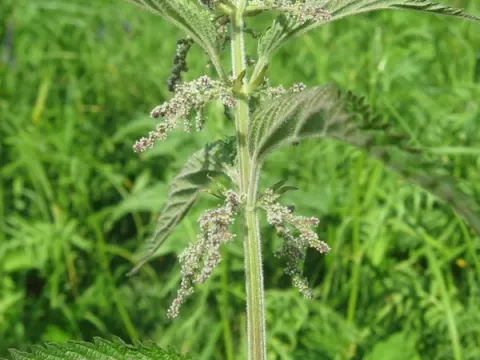
Fen nettle
Urtica galeopsifolia
Fen nettle (Urtica galeopsifolia) is a herbaceous perennial plant belonging to the Urticaceae family. A distinct morphological feature of this species is the absence of stinging hairs, making it harmless to touch compared to the common stinging nettle (Urtica dioica).
What the section contains
Fen nettle
The plant features an erect stem and lanceolate leaves that closely resemble those of hemp-nettle (Galeopsis). It propagates primarily through an extensive rhizome system, which allows the plant to form dense colonies in stable, moist environments.
The species is native to Europe and thrives in specific habitats such as fen meadows, river banks, and damp woodlands. It is highly sensitive to moisture availability and relies on soils rich in organic matter to support its vigorous vegetative growth throughout the season.
Successful cultivation requires consistent soil moisture and a neutral to slightly acidic pH. The plant performs best in sheltered areas where humidity remains high, as excessive heat and direct sunlight can lead to leaf scorching and overall decline in biomass yield.
Economically, the plant is valued for its pharmacological potential and as a source of high-quality green biomass. Because it lacks stinging glands, it is significantly easier to harvest mechanically, making it a viable candidate for sustainable fodder production or herbal tea manufacturing.
Fungal pathogens are the primary concern for fen nettle, especially in environments with poor air circulation. Powdery mildew can rapidly colonize leaves, leading to reduced photosynthesis and overall yield losses in dense field conditions.
Insects like the small tortoiseshell butterfly larvae (Aglais urticae) can cause significant defoliation if left unchecked. These caterpillars feed voraciously on the foliage, and large infestations can destroy the harvest potential within a short period.
Root zone health is critical, and over-watering or poor soil drainage can result in phytophthora root rot. Maintaining an optimal drainage system is essential for preventing these soil-borne diseases in plantation settings.
Integrated pest management should focus on cultural practices, such as maintaining proper plant spacing to ensure air movement. This simple step significantly reduces the incidence of both fungal spots and insect breeding sites within the crop.
In case of severe outbreaks, targeted biological control agents or organic-certified fungicides should be deployed. Regular scouting for early signs of disease ensures the longevity of the crop and the high quality of the final raw plant material.