
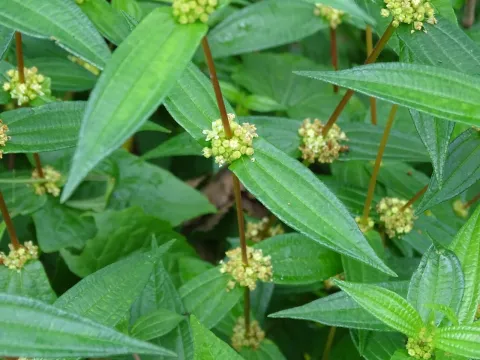
Gonostegia
Gonostegia
Gonostegia seeds require a well-prepared seedbed to ensure optimal germination rates. The ideal sowing time is during the spring, once soil temperatures have risen sufficiently to support rapid development and the risk of frost has passed.
What the section contains


Gonostegia
Depth of sowing must be shallow, as the seeds benefit from light exposure during the initial stages of growth. Proper soil contact is essential to maintain the moisture levels required for the seeds to imbibe and sprout effectively.
In large-scale agricultural production, row planting is the preferred method, allowing for efficient use of field space and facilitating mechanical weeding between rows. This approach promotes better airflow and reduces competition for resources.
Maintaining an appropriate plant density is crucial for maximizing biomass yield. Overcrowded fields can result in stunted growth due to nutrient competition, whereas sparse planting may fail to suppress weed encroachment.
Farmers should conduct viability tests on seed lots prior to planting to ensure a uniform emergence. A consistent crop stand is the foundation for achieving high productivity throughout the growing season.
As a member of the Urticaceae family, Gonostegia thrives in loamy, nutrient-rich soils with good drainage. The crop shows a preference for near-neutral pH levels, which optimize the availability of macronutrients like nitrogen and potassium.
Moisture availability is the primary driver of Gonostegia production. Consistent irrigation, especially during the peak summer months, is necessary to maintain turgidity and prevent the crop from entering early dormancy or flowering prematurely.
The plant requires full sun to partial shade for optimal metabolic activity. Areas with high light intensity promote vigorous leaf development, which is the primary component of the harvested material in agricultural systems.
Temperature management involves protecting the crop from extreme heat, which can cause leaf scorch. Moderate temperatures coupled with high humidity represent the most favorable environment for the crop’s vegetative phase.
Nutrient management should focus on nitrogen-based fertilization to boost the vegetative output. However, it is important to avoid over-application, as excessive nitrogen can lead to succulent tissues that are highly susceptible to pests.
Yield potential of Gonostegia is realized when management practices such as fertilization and irrigation are strictly followed. Depending on the climate, the crop can support multiple harvests within a single season.
Harvesting at the correct developmental phase, usually before full bloom, ensures the highest quality of biomass. This stage provides the best balance of protein content and fiber, making it ideal for agricultural forage applications.
Adopting intensive irrigation technology can increase biomass yield by up to a third compared to rain-fed crops. This makes the plant a viable option for specialized livestock feed programs that prioritize high-nutrient yields.
Crop rotation practices should be utilized to maintain soil vitality. Planting Gonostegia in succession after other legumes or soil-improving cover crops can significantly enhance the long-term yield of the site.
Efficient handling post-harvest is essential to prevent losses. The high water content of the plant means that it must be processed or dried immediately to maintain the nutritional integrity of the final product.
Gonostegia is prone to fungal infections, particularly under conditions of poor soil aeration and waterlogging. Root rot is a common issue that can decimate a crop if drainage is not managed correctly.
Powdery mildew is a prevalent foliar disease that thrives in humid, stagnant air. Ensuring proper plant spacing and consistent ventilation within the canopy are effective strategies to minimize the impact of this pathogen.
Pests like aphids and spider mites frequently target the tender shoots. Early detection is key; integrated pest management (IPM) strategies, including the use of biological controls, are highly recommended to avoid chemical residues.
Field sanitation is a critical preventive measure. Removing debris and controlling weeds that may act as alternative hosts for diseases helps keep the plantation healthy and productive year after year.
- Regular monitoring for early signs of pathogen infestation.
- Use of specialized fungicides only as a last resort.
- Strict adherence to irrigation protocols to avoid excess humidity.
The harvest timing is dictated by the physiological growth stage of the plant. Cutting the crop at the onset of the flowering phase ensures that the plant is at its peak nutritional value, providing a high-quality product.
During the harvest, maintaining an appropriate cutting height is necessary to avoid damaging the crown. This ensures that the plant has the regenerative capacity to bounce back for subsequent cuts within the same year.
Post-cut, the material should be processed immediately. Given its high moisture levels, Gonostegia is prone to rapid fermentation if left in piles; therefore, spreading it for initial drying is essential for preservation.
Storage facilities must be optimized for moisture control. Storing the crop in well-ventilated barns or using mechanical dryers ensures that the feed remains free from mold and retains its nutritional potency throughout storage.
Logistical efficiency during the harvest is paramount. A streamlined process from the field to the drying shed reduces handling time and minimizes the loss of nutrients, ensuring the economic success of the cultivation project.