
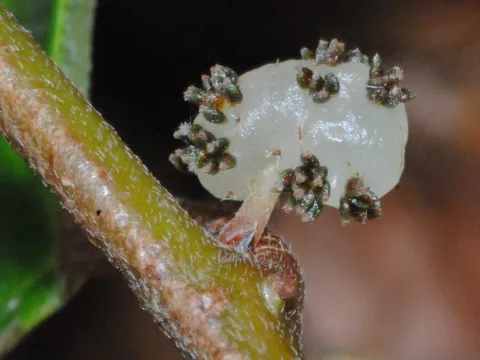
Gyrotaenia
Gyrotaenia
Gyrotaenia is a genus belonging to the Urticaceae family, characterized by specific environmental needs. Sowing involves preparing a fine, nutrient-rich seedbed that promotes quick germination without creating a crust.
What the section contains

Gyrotaenia
The optimal sowing time is in the spring once the soil temperature is stable. Seeds should be placed at a shallow depth, usually not exceeding 1-2 cm, to ensure they have sufficient energy to reach the surface while maintaining moisture contact.
Proper spacing is essential for Gyrotaenia to reach its full potential. Overcrowding can lead to poor air circulation, increasing the likelihood of pathogen development, therefore row spacing should be calculated based on site fertility.
Direct seeding in the field requires meticulous moisture management during the first three weeks. Irrigation should be fine-mist oriented to avoid displacing the small seeds from their original depth.
For greenhouse or container production, starting with high-quality seedlings in trays allows for a controlled environment, reducing the risk of early-stage seedling loss and ensuring uniform growth before transplanting.
This crop thrives in well-drained, fertile soils rich in organic matter. A neutral to slightly acidic pH range is considered ideal for nutrient uptake, particularly for nitrogen and essential micronutrients.
Gyrotaenia performs best in partial shade, mimicking its natural habitat. Direct sunlight can easily scorch the foliage, so agricultural planning should involve either natural shelter belts or shade netting.
Climatic conditions should remain moderate, with temperatures between 18 and 24 degrees Celsius. Extreme heat or sudden cold snaps can lead to physiological stress, reducing the overall biomass and quality of the harvest.
Maintaining consistent soil moisture is crucial, but avoid waterlogging at all costs. Drip irrigation systems are highly recommended to deliver water directly to the root zone while keeping the leaves dry.
Nutrient management should focus on balanced NPK applications. Organic amendments, such as composted manure, improve soil structure and water retention, which are vital for this sensitive genus.
Fungal leaf spots are the most common diseases, typically occurring during periods of high humidity and poor ventilation. Cultural controls, such as leaf debris removal and proper spacing, are the first lines of defense.
Pests like aphids and spider mites can become problematic during hot, dry weather. Regular scouting of the leaf undersides is necessary to catch infestations early before they require intervention.
Root rot is often a result of over-irrigation or heavy, compacted soil. Ensuring excellent drainage and allowing the surface soil to dry slightly between watering cycles is the best prevention.
Slugs and snails can severely damage young plants, especially in damp, protected areas. Barriers like copper tape or environmentally safe bait may be used if natural predators are not present.
Chemical control should be used sparingly and only when necessary to preserve beneficial insect populations in the growing area, ensuring long-term sustainability of the crop.