
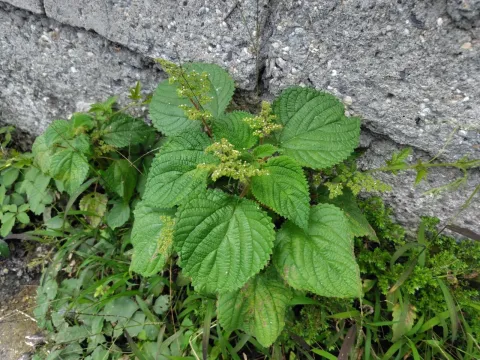
Laportea
Laportea
Propagation of Laportea is primarily achieved through seeds sown in late winter or early spring. The seeds require a well-draining, peat-based mix and should be covered lightly, as they often benefit from indirect light during the initial germination phase.
What the section contains
 Canadian woodnettle
Laportea canadensis
Canadian woodnettle
Laportea canadensis
 Laportea aestuans
Laportea aestuans
Laportea aestuans
 Laportea alatipes
Laportea alatipes
Laportea alatipes
 Laportea bulbifera
Laportea bulbifera
Laportea bulbifera
 Laportea cuneata
Laportea cuneata
Laportea cuneata
 Laportea cuspidata
Laportea cuspidata
Laportea cuspidata
 Laportea interrupta
Laportea mooreana
Laportea mooreana
Laportea interrupta
Laportea interrupta
Laportea mooreana
Laportea mooreana
 Laportea moroides
Laportea moroides
Laportea moroides
 Laportea ovalifolia
Laportea ovalifolia
Laportea ovalifolia
 Laportea peduncularis
Laportea peduncularis
Laportea peduncularis
 Laportea ruderalis
Laportea ruderalis
Laportea ruderalis
 Shining leaf tree
Laportea photinophylla
Shining leaf tree
Laportea photinophylla
Laportea
Maintenance of high ambient humidity and a consistent temperature between 22–25 degrees Celsius is crucial for successful germination. Use of a propagator or a plastic cover can significantly improve the success rate of seedling emergence.
Once seedlings develop two pairs of true leaves, they should be transplanted into individual pots. Great care must be taken during handling, as the plant develops stinging trichomes early in its life cycle, which can cause contact dermatitis.
Hardening off the seedlings is essential before moving them to a final growing location, whether in a greenhouse or a sheltered outdoor area. This process should span at least two weeks to reduce transplant shock.
Spacing should be managed to ensure adequate airflow between plants, as high density often leads to disease outbreaks in humid environments.
Laportea is a genus in the Urticaceae family, naturally occurring in tropical and temperate forest understories. Consequently, they thrive in shaded or dappled light environments rather than in full, harsh sunlight.
The ideal growing medium is rich, loose, and slightly acidic to neutral. High organic matter content, such as composted bark or leaf mold, provides the nutrients necessary for the rapid development of the plant's succulent stems.
Consistent moisture is vital for the health of these plants. However, the root zone must never remain waterlogged, as this quickly leads to hypoxia and the onset of fatal root decay.
Humidity management is a core requirement for indoor cultivation. If the air is too dry, the leaf margins may crisp and turn brown, and the plant becomes significantly more susceptible to common pest infestations.
Fertilization with a balanced, water-soluble fertilizer at half-strength during the active growing season promotes vigorous foliage development and strengthens the plant's structure.
Fungal pathogens such as leaf spot are common threats in conditions with poor air circulation or excessive overhead irrigation. Maintaining dry leaves and good spacing helps prevent the spread of these spores.
Root rot is the most common cause of failure in Laportea cultivation, usually resulting from heavy soils or over-watering. Using porous pots and checking soil moisture before each irrigation is a primary management strategy.
Spider mites are persistent pests, particularly in warmer indoor settings where humidity is not monitored. They thrive in dry air, so misting the area around the plant is a common preventative practice.
Aphids often target new, succulent growth, which can lead to stunted development and the transmission of viral pathogens. Mechanical removal or mild insecticidal soaps are recommended for control.
Whiteflies can infest the undersides of leaves, causing chlorosis and overall plant decline. Frequent inspections of the leaf surface and the use of yellow sticky traps can help detect and reduce populations early.