
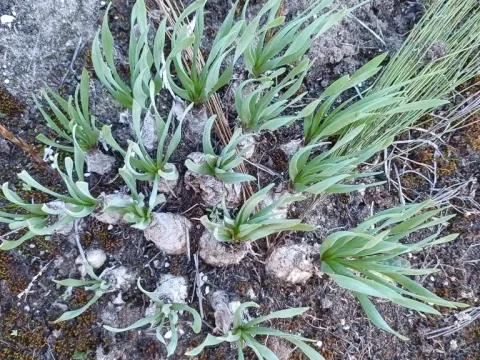
Urginea pusilla
Urginea pusilla
Urginea pusilla is a dwarf bulbous species belonging to the Asparagaceae family. This plant is indigenous to Mediterranean environments, where it has adapted to survive in rocky, nutrient-poor substrates and regions characterized by prolonged summer droughts.
What the section contains
Urginea pusilla
The plant requires very well-drained, sandy or gravelly soil to ensure that the bulb remains dry during its dormancy period. Soil pH should ideally be neutral or slightly alkaline, mimicking the natural limestone-rich habitats where the species thrives.
Climatic adaptability is restricted to regions with mild winters, as the bulbs are susceptible to damage from prolonged freezing temperatures. They require full sun exposure to initiate the hormonal processes necessary for flowering.
Agronomic management involves a strict watering regimen: irrigation must be withheld completely once the foliage starts to turn yellow, signifying the onset of the resting phase. Resuming water too early can cause premature sprouting or rotting of the bulb.
For cultivation in container settings, using a pot with large drainage holes is essential. The substrate should be composed of a mix of pumice, coarse sand, and a small amount of organic compost to provide necessary support without retaining excessive moisture.
Root rot and bulb rot are the most common diseases affecting Urginea pusilla, usually caused by over-irrigation or poor drainage. Once decay begins at the basal plate, the entire plant is often lost if not treated with systemic fungicides.
Aphids can infest the inflorescences during the active growing season, causing stunted growth and poor seed set. Horticultural oils or insecticidal soaps are typically effective if the infestation is detected early.
Bulb mites are a significant subterranean pest that can severely damage the plant's root system. These pests are often introduced through contaminated soil or already infested plant material, requiring careful inspection before planting.
Excessive humidity in the atmosphere can lead to fungal spot diseases on the leaves. Providing adequate air circulation and keeping the foliage dry are the best preventative measures against these issues.
Viral infections, often transmitted by sap-sucking insects, present a major threat to the long-term health of the bulb collection. Infected plants show yellowing or mosaic patterns and should be destroyed to prevent spread.