
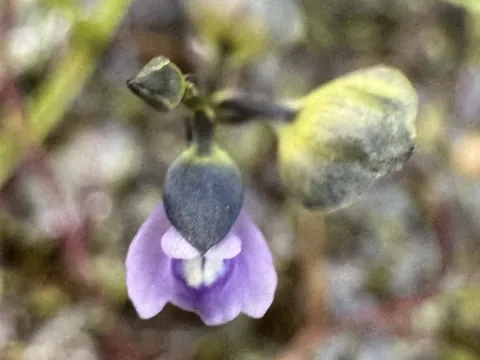
Utricularia yakusimensis
Utricularia yakusimensis
Utricularia yakusimensis is a fascinating species of carnivorous plant belonging to the Lentibulariaceae family. Native to Japan, particularly Yakushima Island, and parts of Asia, this plant thrives in boggy environments where nutrients in the soil are typically scarce.
What the section contains
Utricularia yakusimensis
The plant is known for its small, delicate foliage and characteristic flowers that rise above the substrate. Its primary survival mechanism involves tiny traps called bladders, which actively capture microscopic aquatic organisms, providing the plant with essential nutrients like nitrogen.
To cultivate this species successfully, one must replicate its natural bog habitat. This requires high humidity, often maintained in a terrarium or a humid greenhouse environment, to prevent the delicate traps from desiccating during the growing season.
The growing medium is a critical factor in the health of Utricularia yakusimensis. It requires an acidic, nutrient-poor substrate, such as a mix of high-quality sphagnum peat moss and horticultural perlite, ensuring that the roots remain damp but not waterlogged.
Pure water is mandatory for this culture. Distilled water, reverse osmosis water, or clean rainwater should be provided via the tray method. Any presence of minerals or chemicals from tap water can lead to the rapid accumulation of salts, which will kill the plant within weeks.
The most significant threat to the health of the plant is the development of mold and algae within the substrate. This is often a result of stagnant air or poor drainage. Regular ventilation within the growing enclosure is vital to keep the plant vigorous and disease-free.
Insect pests are relatively rare due to the plant's unique environment, but fungus gnats can sometimes lay eggs in the peat. It is best to avoid standard pesticides as they can be fatal to carnivorous species; manual removal or biological controls are preferred.