
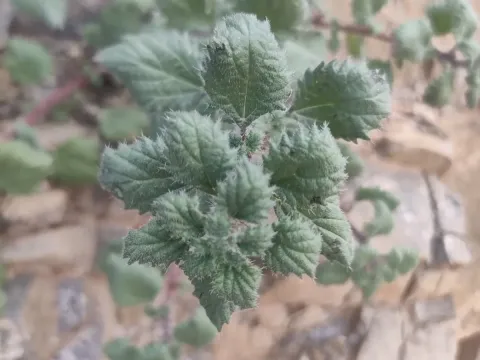
Forsskaolea
Forsskaolea
Sowing Forsskaolea requires careful preparation of the soil, ensuring that the ground is warm, with temperatures consistently above 15 degrees Celsius. Given the small size of the seeds, they should be sown on the surface of the soil or covered with a very thin layer of fine substrate to ensure adequate light exposure for germination.
What the section contains

Forsskaolea
Optimal moisture management during the initial sowing phase is critical for successful emergence. While the plant is drought-tolerant once established, the seeds and young seedlings require consistent, light irrigation to avoid dehydration without causing the soil to become waterlogged, which can be detrimental.
For commercial cultivation, spacing is important to allow for the plant's natural spread. A distance of at least 40 to 50 centimeters between plants ensures sufficient airflow, which is a key factor in preventing fungal issues. High planting density should be avoided as it hinders the development of a healthy root system.
Utilizing growth stimulants for the seeds has proven beneficial in achieving more uniform germination rates across the plantation. Furthermore, protecting the area from heavy wind drift after sowing is advised, as the seeds are lightweight and easily displaced by gusts of air or heavy runoff from rain.
The selection of a sunny site for sowing is paramount, as Forsskaolea requires significant levels of solar radiation to stimulate early-stage growth and biomass accumulation. If sowing in a nursery setting, the use of transparent covers is recommended to maintain the necessary temperature range while allowing full light penetration.
Forsskaolea belongs to the Urticaceae family and is widely recognized for its adaptation to arid and semi-arid environments. Naturally occurring across regions in Africa and the Middle East, it thrives in environments that would be inhospitable to more sensitive agricultural crops due to extreme heat and periodic water scarcity.
This crop prefers well-drained, sandy or gravelly soils that mirror its native habitats. The soil should be neutral to slightly alkaline, and heavy clay soils must be avoided as they inhibit root respiration and increase the likelihood of fungal infections near the root collar, a common issue in managed agricultural settings.
Temperature requirements are high, with the plant showing optimal physiological activity between 20 and 35 degrees Celsius. It exhibits remarkable resilience to intense solar exposure, utilizing specialized epidermal features to manage heat stress and minimize transpiration during the peak of the day.
Climatic requirements also emphasize the need for adequate ventilation. Since the plant is naturally adapted to regions with consistent air movement, stagnant air in a field or greenhouse can quickly lead to localized humidity spikes, which may invite pathogens that thrive on the leaf surfaces of the Forsskaolea.
Management of water resources for this crop should simulate the intermittent rainfall patterns of its natural range. Deep but infrequent watering cycles encourage the plant to develop a deeper, more robust root system, which in turn improves the plant’s overall resilience and tolerance to environmental stressors during the harvest season.
Root rot is the primary threat to Forsskaolea, particularly in fields with poor drainage or during seasons of excessive rainfall. Pathogens such as Rhizoctonia thrive in these conditions and can cause significant crop losses if the soil structure does not allow for efficient water percolation and aeration around the roots.
Pests like spider mites represent a secondary but significant threat, especially during hot and dry spells when the plant’s natural defenses might be compromised. These mites cause visible chlorosis and leaf distortion, which can lead to a drastic reduction in the photosynthetic capacity and final biomass yield of the crop.
Integrated pest management strategies are recommended to mitigate the impact of these threats without relying heavily on broad-spectrum pesticides. Frequent monitoring of the field is crucial; early detection of pest clusters or initial signs of wilt allows for localized treatment, significantly reducing the cost and impact of control measures.
Powdery mildew can also occur under conditions of fluctuating temperature and humidity. Providing optimal spacing and maintaining clean fields free of competing weeds is essential to lowering the pressure from fungal diseases. A healthy, well-ventilated stand of plants is significantly less prone to such infections.
Effective crop management should prioritize the exclusion of infected material from the field immediately upon detection. Maintaining strict sanitation practices during the maintenance phase is the most effective tool for preventing the widespread transmission of soil-borne or airborne pathogens within the agricultural system.