
Kiev nettle
Urtica kioviensis
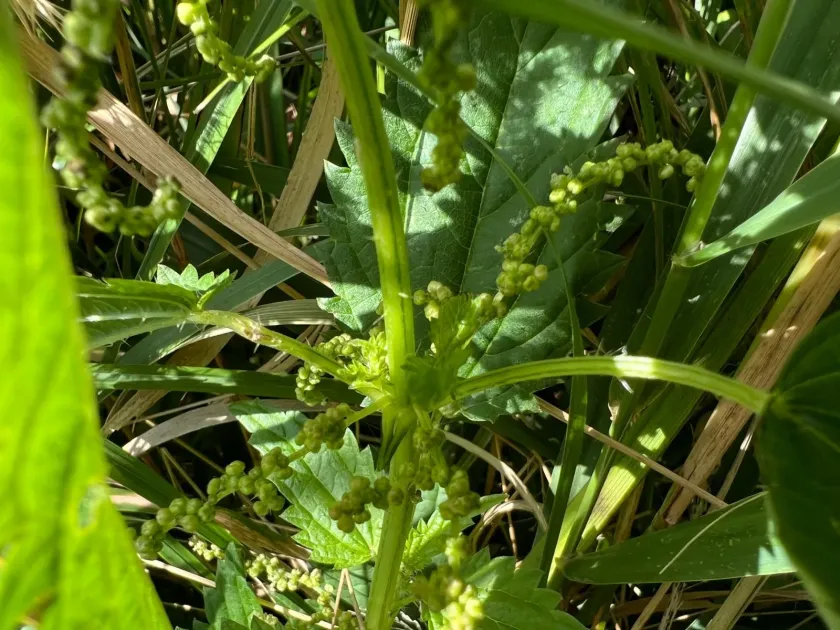
Description
Growing requirements
Kiev nettle (Urtica kioviensis) is a perennial herbaceous plant belonging to the Urticaceae family. It is distinct from common nettle species due to its high specialization for wetland and floodplain ecosystems.
The natural range of Urtica kioviensis is primarily concentrated in Central and Eastern Europe. It typically thrives in river floodplains, marshy forests, and wet meadows where water saturation is consistent throughout the growing season.
Botanically, this species is defined by its strong rhizomatous growth, which allows it to form dense vegetative colonies. These rhizomes help the plant survive in soft, water-logged soils where other plants might struggle to establish a root system.
The plant requires nutrient-rich, moist soils to maintain its vigor. It is highly shade-tolerant, often growing under the canopy of alder forests or in dense brushwood near bodies of water, which provides the necessary high-humidity microclimate.
In terms of ecological significance, this plant acts as a vital component of riparian buffers. Its presence often indicates a high-quality, undisturbed wetland environment, making it a focus for local conservationists.
Main diseases and pests
The primary threat to the stability of Kiev nettle populations is land drainage and large-scale hydro-technical melioration. Such actions irreversibly change the moisture regime necessary for the plant's survival.
Habitat fragmentation due to construction and agricultural intensification poses a significant risk. As wetlands are converted into farmland or housing, the specific niches required by this species disappear.
While the plant possesses stinging hairs that protect it from many herbivores, it is still vulnerable to various fungal pathogens. Excess humidity combined with stagnant air circulation can lead to stem rot and other fungal diseases.
Insect pests that target Urtica species can cause localized damage during favorable warm seasons. However, the biggest long-term pressure remains the loss of suitable, pristine environmental conditions.
Conserving this species requires strict protection of riparian zones and floodplain areas. Preventing groundwater depletion is essential for maintaining the health and genetic continuity of Urtica kioviensis populations.