
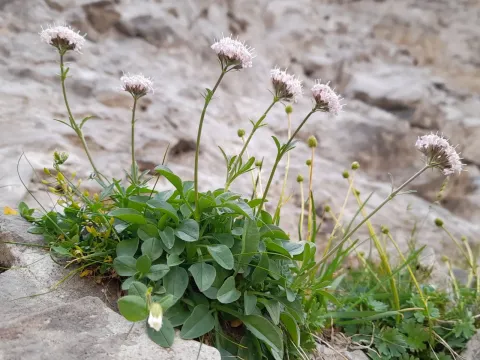
Valeriana globulariifolia
Valeriana globulariifolia
Valeriana globulariifolia is a perennial herbaceous plant belonging to the Caprifoliaceae family. This species is known for its distinct botanical structure, specifically its globular leaf formation, which is an evolutionary adaptation to harsh alpine and rocky environments.
What the section contains
Valeriana globulariifolia
The culture requires specific environmental conditions to thrive, primarily emphasizing well-drained, porous soils. In cultivation, it is essential to replicate its natural rocky habitat by providing a substrate that prevents water stagnation while maintaining a neutral to slightly alkaline pH.
Climate preferences include cool to moderate temperatures and a long period of dormancy during winter. The plant is highly sensitive to humidity levels; therefore, it thrives best in environments with good air circulation and protection from intense, direct mid-summer sunlight.
Agrotechnical management requires precise irrigation practices. Excessive water is detrimental, often leading to rapid root decay. Fertilization should be kept to a minimum, focusing on slow-release organic nutrients that promote healthy root development rather than excessive foliage growth.
The primary use of this species is in scientific research and specialized botanical collections. Its chemical profile, characteristic of the genus Valeriana, makes it a subject of interest for studying essential oils and pharmacological properties in rare alpine flora.
The main threats to Valeriana globulariifolia cultivation are related to fungal pathogens caused by improper drainage. Root rot and damping-off are the most significant risks when humidity is not managed correctly within the growing medium.
Pest management should focus on common sucking insects such as aphids, which can compromise the plant's health during the blooming season. Early detection through regular visual inspections is the most effective way to prevent large-scale infestations.
Environmental stress, particularly sudden changes in temperature combined with high humidity, can trigger powdery mildew. Implementing proper spacing between plants is crucial to ensure adequate airflow and reduce the likelihood of disease outbreaks.
Soil-borne pests may pose a threat to the root system, particularly in open field conditions. Using organic soil amendments can help foster a healthy microbial balance that suppresses the growth of opportunistic pathogens.
Integrated pest management strategies are recommended, prioritizing non-chemical solutions to preserve the natural integrity of the plant. Maintaining a clean cultivation area and removing debris are fundamental steps in preventing future infection cycles.