
Masai nettle
Urtica massaica
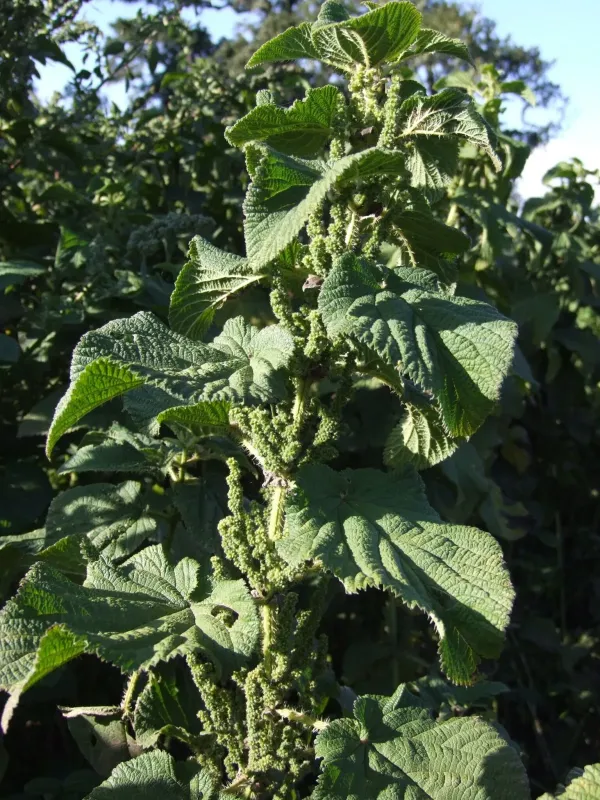
Description
Sowing dates
Masai nettle (Urtica massaica) is a perennial herbaceous plant belonging to the Urticaceae family. It is indigenous to the high-altitude regions of East Africa, where it thrives in specific ecological niches within mountainous landscapes.
Sowing should ideally coincide with the onset of the rainy season to provide the necessary moisture for seed germination. The seeds exhibit moderate dormancy, often requiring a short period of cool, moist stratification to mimic natural mountain conditions.
For agricultural cultivation, seeds are sown in well-drained, nutrient-rich soil. The planting depth should be shallow, approximately 0.5 to 1 cm, to ensure that the delicate seedlings receive sufficient light after emerging from the substrate.
Thinning is necessary once the seedlings have established two or three pairs of true leaves. Proper spacing ensures adequate airflow, which is critical in preventing the fungal issues that can arise in the humid conditions favored by this species.
Selecting the right site is paramount; the Masai nettle prefers sheltered areas with dappled sunlight. Full exposure to intense midday sun can stress the plants and reduce the quality of the harvested biomass.
Growing requirements
The Masai nettle demands fertile, humic-rich soils with a slightly acidic to neutral pH level. Soil structure should facilitate excellent drainage while maintaining a consistent level of soil moisture throughout the growing season.
Climate is a significant factor in the cultivation of Urtica massaica. It prefers cool to moderate tropical highland temperatures. It does not tolerate prolonged frost or extreme heat, which can severely impact the physiological development of the plant.
Irrigation must be managed carefully, favoring drip systems that provide a constant moisture supply without causing waterlogging. Standing water in the root zone quickly leads to root rot and other systemic plant diseases.
Nutrient requirements center on nitrogen for vegetative growth, but should be balanced with phosphorus and potassium to maintain stem integrity. Over-fertilization can sometimes lead to excessive growth and thinner cell walls.
Protection from strong, desiccating winds is essential. In open field cultivation, windbreaks or intercropping with taller, non-competitive species can help shield the nettle plants and maintain a stable microclimate.
Yield
The economic value of Masai nettle is rooted in its use as a high-protein forage for livestock in mountainous regions and as a significant component in local traditional herbal medicine practices.
Productivity increases significantly after the first year of establishment. By the second and third year, plants form dense root clumps that support vigorous annual regrowth, provided they are managed with correct harvesting practices.
Regular harvesting of the green mass stimulates lateral branching and increases the total biomass yield per hectare. It is important to leave enough foliage after each cut to ensure the plant can replenish its carbohydrate stores.
Yield varies based on altitude and soil fertility. Higher productivity is typically observed in regions that closely replicate the plant's native habitat, where temperature fluctuations are minimal and moisture is abundant.
- Green biomass for feed.
- Medicinal leaf production.
- Root propagation potential.
Strategic management of the harvest schedule is the most effective way to maximize output, ensuring that the plant is harvested during its peak vegetative growth phase.
Main diseases and pests
Fungal pathogens such as powdery mildew and rust are the primary threats to Masai nettle plantations, especially in high-humidity areas. Maintaining proper spacing and airflow is the best preventative measure.
Pests like aphids and spider mites can infest the foliage, particularly during dry spells. Biological control methods, such as introducing beneficial insects, are highly recommended to preserve the quality of the medicinal product.
Weed management is critical during the establishment phase. Because young nettle plants grow relatively slowly, they can be easily outcompeted by more aggressive weeds, requiring manual or mechanical cultivation in the rows.
Root-knot nematodes can cause stunted growth and yellowing of the foliage. Crop rotation and the use of healthy, non-infested planting material are essential strategies for mitigating nematode pressure in the field.
Mechanical damage during routine care or harvesting can open the plant to secondary bacterial infections. Handling the plants with care and avoiding over-working the soil near the roots helps maintain plant health.
Harvesting
Harvesting should be performed with appropriate safety gear, including gloves, to protect the skin from the plant's stinging hairs. This is particularly important for workers collecting large volumes of fresh material.
The best time for harvesting is early morning after the dew has evaporated but before the heat of the day. This timing helps maintain the highest concentration of volatile compounds in the leaves.
Post-harvest handling is critical. Freshly cut material should be transported in ventilated containers to prevent heating and fermentation, which can rapidly degrade the quality of the biomass.
Drying must occur in shaded, well-ventilated areas at temperatures not exceeding 40°C. Rapid drying at high heat will destroy the plant's delicate nutritional profile and essential oil content.
Once dried, the crop should be stored in cool, dark, and moisture-free conditions. Maintaining the integrity of the leaf during the drying and packing process is essential for achieving premium market value.