
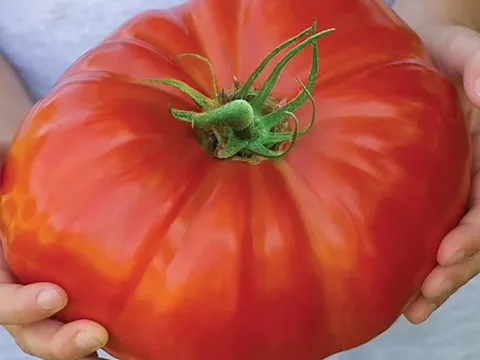
Tomato
Lycopersicon
Tomato Solanum lycopersicum is a warm-season crop belonging to the Solanaceae family. Sowing dates depend on whether the crop is grown as transplants or direct seeded.
What the section contains
Tomato
For early production, seeds are typically sown in trays 50–60 days before the intended transplanting date, usually starting in late winter.
Greenhouse cultivation often allows for earlier planting, which requires supplemental lighting to ensure healthy seedling development during short-day periods.
In warmer climates, direct seeding in open fields is possible once the soil temperature consistently reaches 12–15 degrees Celsius.
Optimal germination requires a stable temperature range of 22–25 degrees Celsius, which promotes uniform emergence and strong initial growth.
Tomatoes are high-light demanders; insufficient light leads to leggy plants, poor flowering, and reduced fruit set capacity throughout the season.
Ideal soil for tomatoes is well-drained loam or sandy loam, rich in organic matter, with a pH level ranging between 6.0 and 6.8.
Consistent, moderate moisture is vital; it is crucial to avoid wetting the foliage during irrigation to prevent the spread of fungal pathogens.
The plant is sensitive to temperature extremes; night temperatures below 10 degrees stunt growth, while excessive heat above 35 degrees causes pollen sterility.
Balanced fertilization, particularly with potassium and phosphorus during the flowering stage, is necessary to support high fruit quality and yield.
Average yield potential varies significantly depending on the cultivar; determinate bush varieties typically produce 3–5 kg per plant.
Indeterminate greenhouse varieties, managed under optimal environmental conditions, can produce yields of up to 15–20 kg per square meter.
Productivity is directly influenced by pruning and training techniques, which redirect the plant's energy towards fruit development instead of excessive vegetative growth.
The use of drip irrigation and fertigation systems significantly enhances both the total yield and the commercial marketability of the fruits.
Selecting F1 hybrids that demonstrate strong vigor and stress resistance is essential for maximizing performance in professional agricultural settings.
Major fungal diseases affecting tomatoes include late blight, early blight, and leaf mold, which thrive under conditions of high humidity.
Key pests that pose a threat to tomato crops include whiteflies, spider mites, and cutworms, which can cause severe damage to the foliage and fruits.
Disease management strategies include practicing crop rotation, maintaining good greenhouse ventilation, and using preventative fungicide applications.
Viral infections like Tobacco Mosaic Virus can be transmitted through insects or contaminated tools, necessitating strict hygiene and sanitation protocols.
- Late Blight (Phytophthora infestans)
- Leaf Mold
- Whitefly
- Spider Mite
Harvesting is performed based on the intended use, with fruits picked at either the mature green, pink, or full biological ripeness stage.
Fruits intended for long-distance transport are usually harvested at the pink or breaker stage to ensure they remain firm throughout the supply chain.
In open field production, harvesting should be completed before the first autumn frosts to prevent cold damage and quality loss.
Careful handling is required during harvest to avoid bruising and mechanical damage, which significantly shorten the shelf life of the produce.
After collection, tomatoes are sorted by size and maturity, ensuring consistent quality for packaging and market distribution.