
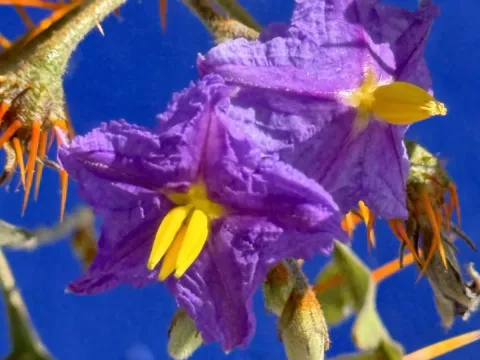
Thorn-apple nightshade
Solanum pyracanthos
The propagation of Solanum pyracanthos is best achieved through seeds, which should be sown in a high-quality, well-draining seed starting mix during early spring.
What the section contains
Thorn-apple nightshade
Maintaining consistent soil warmth, ideally between 22°C and 25°C, is essential for promoting uniform germination of the seeds in a greenhouse setting.
Thinning the seedlings is necessary once they reach a height of a few centimeters to ensure each plant receives adequate nutrition and light exposure.
Transplanting into larger pots or outdoor beds should be performed only after the last frost danger has passed to protect the heat-loving plants.
Using supplemental light for seedlings grown indoors helps prevent etiolation, keeping the stems robust and ready for outdoor conditions.
Native to Madagascar, this member of the Solanaceae family thrives in tropical to subtropical climates where it can receive maximum sunshine.
The plant requires a fast-draining, nutrient-rich soil mix, as it is highly susceptible to root damage caused by waterlogged or heavy, clay-based substrates.
Proper spacing between plants is important to ensure good air circulation, which helps manage humidity levels around the foliage and stems.
Regular watering is recommended during the peak growing season, allowing the soil surface to dry out slightly before the next irrigation cycle.
Fertilization with a balanced, slow-release fertilizer supports the plant's structural development and the production of its signature spines.
Spider mites are the most common pests for this plant, thriving in the warm and dry environments that the plant itself prefers for growth.
Aphids tend to congregate on the succulent new growth, significantly reducing the vigor of the plant if not controlled with biological or chemical means.
Root rot remains a persistent threat if the drainage requirements are not strictly met, especially in container-grown specimens kept in humid areas.
Powdery mildew can infect leaves when there is poor airflow and high moisture levels, necessitating the immediate removal of infected plant material.
Integrated pest management strategies are recommended to keep infestations at bay while preserving the delicate balance of the plant's health.