
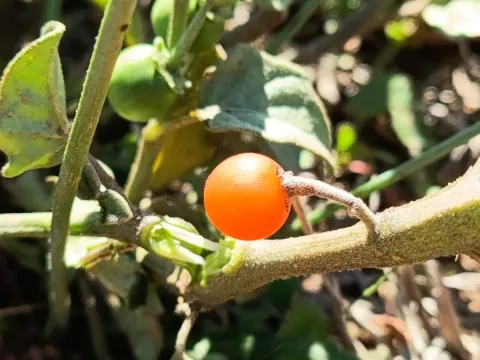
Hairy nightshade
Solanum villosum
Hairy nightshade belongs to the Solanaceae family and is an annual herbaceous plant. Seeds are typically sown directly into open fields once the soil temperature consistently reaches 12–15 degrees Celsius.
What the section contains
Hairy nightshade
Successful germination requires high light intensity and sufficient moisture levels. The rows are usually spaced 45–60 centimeters apart to provide enough room for each plant to develop and to ensure efficient airflow.
In regions with shorter growing seasons, a seedling-based method is recommended to achieve a reliable harvest before the first frosts. Seedlings are transplanted into the ground after the risk of frost has passed.
Proper soil preparation is crucial; this involves deep plowing and thorough removal of weeds that might compete with the young plants for nutrients and sunlight. Well-tilled soil promotes stronger root systems.
Optimal planting density varies based on soil fertility; farmers should adjust the sowing rate accordingly to prevent overcrowding and maintain the health of the entire crop population.
This crop thrives in loose, fertile sandy loam or silty soil with a neutral to slightly acidic pH. Good drainage is essential, as waterlogged conditions can lead to root rot and other physiological issues.
Hairy nightshade is a sun-loving plant that requires maximum exposure to sunlight for optimal growth and biomass development. Shady areas often result in stunted growth and delayed fruit maturation.
Regular cultivation and weeding between rows are necessary to provide aeration and maintain soil moisture levels. The plant responds well to organic matter, such as compost, incorporated into the soil before planting.
Watering should be consistent but moderate, particularly during the flowering and fruit-setting stages. Avoiding moisture stress helps maintain the quality and quantity of the harvest.
The species is generally adapted to temperate climates but remains sensitive to extreme temperature fluctuations. Providing a stable growing environment is key to maximizing yields.
The primary pests affecting Hairy nightshade include the Colorado potato beetle, aphids, and various lepidopteran larvae. Regular field inspections are necessary to detect early infestations.
Fungal diseases like late blight and early blight represent a significant risk, especially in high-humidity conditions. Implementing crop rotation helps mitigate the buildup of soil-borne pathogens.
Proper ventilation within the plant canopy is vital to prevent fungal spread. If infection occurs, removing and disposing of diseased plants immediately can help protect the rest of the field.
Nematodes can potentially impact root development, making it important to monitor soil health. Avoiding planting on land previously occupied by susceptible Solanaceae species is a best practice.
An integrated pest management approach, utilizing both cultural methods and biological treatments, is the most sustainable way to protect the crop throughout the season.
Harvesting begins when the fruits reach their characteristic orange-yellow color. This color change indicates the maturity of the fruit and the peak accumulation of its chemical constituents.
Since fruit ripening is often uneven, multiple harvests are usually necessary to ensure the best quality produce. Manual harvesting is generally preferred to minimize mechanical damage to the delicate fruits.
Post-harvest handling requires careful transport and storage in a cool, well-ventilated area to preserve fruit integrity. Proper storage conditions are critical for extending the shelf life of the harvested material.
The crop is utilized in various ways, ranging from specialized food processing to pharmaceutical applications due to its alkaloid profile. High-quality fruit is highly sought after for these purposes.
After the harvest is complete, all plant debris should be removed and properly disposed of to disrupt the life cycle of potential pests and pathogens that may overwinter in the field.