
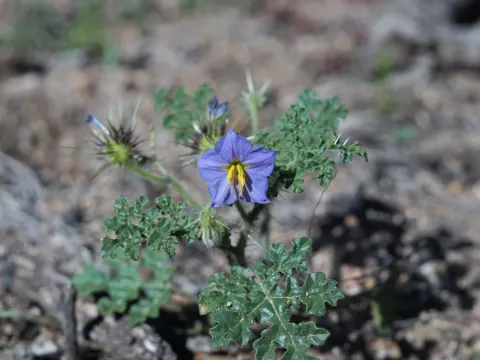
Heterodox nightshade
Solanum heterodoxum
The heterodox nightshade is a warm-season crop that requires a long frost-free growing period. It is recommended to start seeds indoors in late winter or early spring to ensure the plants are well-established.
What the section contains
Heterodox nightshade
Transplanting into the garden should occur only when soil temperatures have consistently risen and the risk of frost has passed. Typically, this is late May in temperate regions, depending on local microclimates.
Proper spacing is essential, as these plants tend to grow bushy and sprawling. Providing at least 60 centimeters between individual plants ensures sufficient airflow and reduces the risk of disease.
Seeds should be planted in a high-quality, sterile starting mix at a shallow depth. Maintaining consistent moisture and moderate warmth is crucial for successful germination, which usually takes one to two weeks.
Hardening off the seedlings is a vital step before moving them outdoors. Gradually acclimating the young plants to sunlight and wind over several days minimizes transplant shock and improves survival rates.
This member of the Solanaceae family thrives in full sun. Exposure to at least six to eight hours of direct sunlight daily is necessary for optimal growth and fruit development.
Well-draining soil with a neutral to slightly acidic pH is ideal for this crop. Improving soil structure with organic matter, such as compost, provides the necessary nutrients and moisture retention.
Consistent watering is required throughout the growing season, particularly during flowering and fruit setting. Avoiding overhead irrigation helps prevent foliage diseases and promotes healthy root development.
A balanced fertilizer applied during the growth phase supports the plant's metabolic processes. Excessive nitrogen should be avoided to prevent over-growth of foliage at the expense of fruit production.
Organic mulch applied around the base of the plant helps regulate soil temperature and suppress competitive weed growth. This practice also minimizes soil splashing during heavy rainfall, reducing disease spread.
Like many nightshades, this plant is susceptible to common pathogens such as late blight. Monitoring the foliage regularly for spots or discoloration is the first step in effective management.
Pests such as flea beetles and aphids can cause significant damage if left unmanaged. Integrated pest management, including the use of neem oil or insecticidal soaps, is highly recommended.
Root rot is a potential concern if the drainage is inadequate. Ensuring that the soil does not become waterlogged is the most effective way to protect the plant's vascular health.
Virus transmission by insects is a common issue for this crop. Removing symptomatic plants immediately helps reduce the potential for widespread infestation across the growing area.
Sanitation practices, including the removal of crop residues at the end of the season, are essential. This breaks the lifecycle of various pathogens and pests that may overwinter in the soil.
The harvest should be conducted when fruits reach their peak maturity. Assessing the color and firmness is a reliable way to determine if the crop is ready for collection.
Using hand pruners to harvest fruit is preferred over pulling, as it prevents physical damage to the plant's brittle stems. Care should be taken to leave a short portion of the stem attached.
Post-harvest handling should involve moving fruits quickly to a shaded, cool area. This rapid cooling preserves the harvest's flavor profile and extends its shelf life significantly.
Sorting the harvest allows for the separation of high-quality fruits from those that might be bruised or overripe. Consistent sorting ensures better market presentation and storage quality.
Frequent monitoring during the harvest phase is necessary, as fruits may ripen at different times. Harvesting every few days maintains plant vigor and encourages the production of new fruits.