
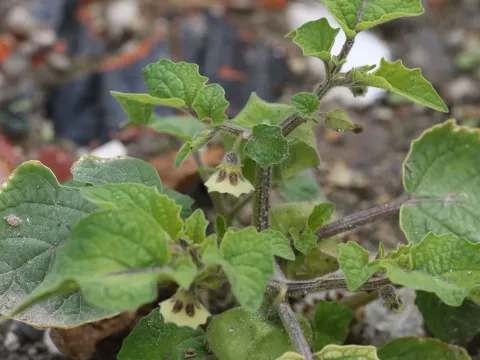
Husk tomato
Physalis grisea
Physalis grisea, commonly known as the husk tomato or strawberry groundcherry, is an annual herbaceous plant belonging to the Solanaceae family. Because it is highly sensitive to frost, it must be started indoors in most climates.
What the section contains
Husk tomato
Sowing should begin 6–8 weeks before the last expected frost date. Use high-quality seed-starting mix and cover seeds lightly, as they require warmth (around 22–25°C) and consistent moisture to germinate.
Seedlings are delicate and require transplanting into individual pots after the development of the first true leaves. This promotes a robust root system before the final move outdoors.
Hardening off the seedlings is an essential step. Gradually expose the plants to outdoor conditions over a week to prevent transplant shock when moving them to the garden.
Transplant into the garden once soil temperatures are consistently above 15°C. Space the plants at least 50 cm apart to allow for vigorous branching and air circulation.
Physalis grisea thrives in well-draining, fertile loamy soils. A slightly acidic to neutral pH is optimal. Avoid heavy clay soils that retain excessive water, as this can lead to root rot.
This crop is a sun-lover. To achieve the highest sugar content in the fruit, provide at least 6–8 hours of direct sunlight daily. Shaded areas will result in leggy plants and lower yields.
Consistent moisture is required during the flowering and fruit-setting stages. Avoid overhead watering to minimize the risk of fungal diseases on the foliage.
Fertilization should be balanced. Excessive nitrogen will promote lush green foliage at the expense of fruit production, so choose a formula higher in phosphorus and potassium.
The plant grows as a sprawling bush. Providing supports or cages can keep the fruit off the ground, ensuring cleaner produce and reducing losses from soil-borne pathogens.
The fruits of Physalis grisea are small, round berries enclosed in a papery husk (calyx). When ripe, they turn a golden-yellow color and possess a sweet, tropical flavor profile.
An individual, well-tended plant can yield several kilograms of fruit over a long season. Productivity is directly linked to the amount of sunlight and consistent warmth the plant receives.
Fruit quality is highest when the berries are allowed to fully ripen on the plant. The husks will dry out, and the fruit will naturally drop to the ground when fully mature.
Storage potential is excellent. Because the fruit is protected by its natural husk, it can be kept at room temperature for weeks or refrigerated for several months if handled carefully.
Culinary uses are diverse, including fresh consumption, baking in pies, making jams, or creating savory chutneys. It is a prized crop for those interested in niche garden fruits.
Common pests include cutworms and wireworms, which can severely damage young seedling stems. Applying protective collars around the base of the plant can provide effective physical defense.
Fungal diseases like early blight and late blight can occur in humid, stagnant air conditions. Pruning dense foliage and maintaining weed-free beds are essential preventative measures.
Aphids occasionally cluster on tender new growth. Regular monitoring and, if necessary, the application of insecticidal soaps or neem oil can help control their population.
Root rot can result from overwatering. Ensure the soil is light and airy, and always allow the top layer to dry out slightly between watering intervals.
- Use organic mulch to suppress weeds and maintain even soil moisture.
- Always sanitize garden tools to prevent the spread of soil-borne diseases.
- Encourage beneficial insects to manage pest populations naturally.
Harvesting is a continuous process that begins in late summer and continues until the first frost. The most reliable indicator of ripeness is when the fruit falls to the ground.
Gather the fallen fruits regularly to prevent them from rotting due to soil moisture or being eaten by garden pests. They are usually at their peak sweetness at this stage.
If the season is ending and there are still green fruits on the bushes, they can be harvested along with their husks and ripened in a dry, warm indoor environment.
Store harvested fruits with the husks intact. This natural packaging acts as a protective barrier, extending the shelf life and maintaining the flavor of the berries.
When harvesting, ensure the fruits are dry. Avoid cleaning them with water until you are ready to consume them, as moisture trapped inside the husk can promote mold growth.