
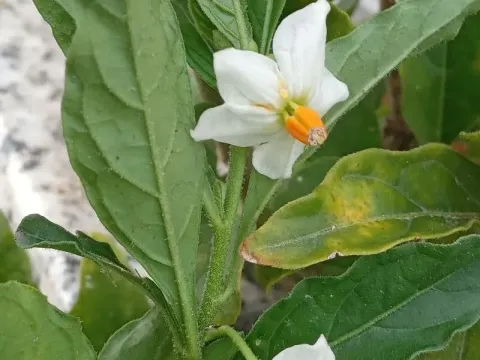
Henderson's nightshade
Solanum hendersonii
Seeds of Henderson's nightshade should be sown indoors in late February or early March to ensure a long enough growing season. Plant the seeds in a high-quality, sterile seed-starting mix at a depth of about 1–1.5 centimeters.
What the section contains
Henderson's nightshade
Maintain a constant temperature between 22 and 25 degrees Celsius for optimal germination, which usually occurs within 10 to 14 days. Keep the soil consistently moist but never waterlogged to prevent fungal issues.
Once the seedlings develop two true leaves, they should be carefully transplanted into individual pots. This practice encourages robust root growth and prevents the seedlings from becoming leggy or overcrowded.
Gradually harden off the seedlings over two weeks before moving them outdoors. This adjustment process helps them cope with direct sunlight and the fluctuations in temperature associated with the outdoor environment.
Transplant into the permanent garden site only after the risk of frost has passed. Ensure the soil is warmed up sufficiently to at least 15 degrees Celsius to prevent transplant shock.
Henderson's nightshade thrives in full sun, requiring at least six to eight hours of direct sunlight daily to produce high-quality fruits and maintain healthy, vigorous growth.
The soil should be well-drained, fertile, and slightly acidic to neutral in pH. Avoid heavy, water-retentive clay soils, as the roots are susceptible to rotting if left in stagnant water for too long.
Regular watering is essential, especially during the flowering and fruit-setting stages. Consistent soil moisture levels help prevent blossom drop and ensure the development of firm, healthy fruits.
The ideal temperature range for active growth is between 20 and 28 degrees Celsius. The plant may struggle in extreme heat or sudden cold snaps, which can impair overall development.
Apply balanced organic or mineral fertilizers throughout the growing season to support development. Proper nutrition is crucial for strengthening the plant's resistance to environmental stressors.
Common threats include fungal diseases such as late blight and leaf spot, which are particularly prevalent during periods of high humidity and poor air circulation around the plants.
Practice strict crop rotation to minimize the accumulation of soil-borne pathogens. Do not plant Henderson's nightshade in soil recently used for other Solanaceae species.
Aphids, spider mites, and the Colorado potato beetle can cause significant damage if left unchecked. Monitor the undersides of leaves and stems frequently for early signs of infestation.
Integrated pest management strategies, including the use of neem oil or beneficial predatory insects, can effectively manage populations without the need for harsh chemicals.
Ensuring proper spacing between plants is a vital preventative measure, as it allows for better airflow and helps the foliage dry off faster after rain or irrigation.
Harvesting begins as soon as the fruits reach their peak maturity and exhibit the characteristic coloration. Picking fruits at the right time ensures the best flavor and texture.
Use a clean, sharp pair of shears to cut the fruit from the stem rather than pulling it off by hand. This minimizes damage to the delicate branches of the plant.
After harvesting, keep the fruits in a cool, shaded place with adequate ventilation. Proper storage conditions are essential for maintaining the quality and freshness of the produce.
If not consumed immediately, the fruits can be processed through canning, drying, or freezing. These preservation methods allow you to enjoy the harvest well beyond the growing season.
Harvesting on a dry day is recommended, as moisture on the fruit skin can accelerate decay. Proper post-harvest handling ensures maximum storage life and quality.