
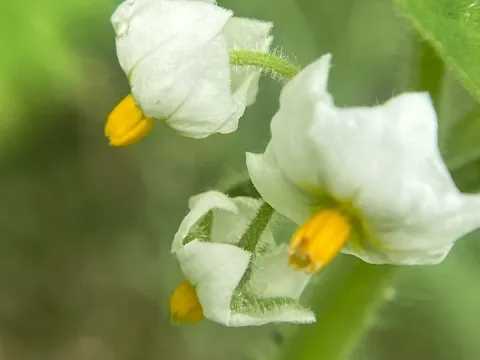
Hairy nightshade
Solanum sarrachoides
Hairy nightshade is an annual herb of the Solanaceae family that frequently acts as a competitive weed in agricultural systems.
What the section contains
Hairy nightshade
Germination typically begins in late spring when soil temperatures reach optimal thresholds for rapid embryo development.
The seeds exhibit a prolonged dormancy pattern, which allows the plant to emerge in successive flushes throughout the growing season.
Agronomic control is most effective when tillage is performed shortly after the first irrigation or rainfall event to terminate germinating seedlings.
The plant demonstrates significant adaptive capacity to varied light conditions, although its peak growth occurs in high-light environments.
This species thrives in nutrient-rich, loamy soils that possess good structure and drainage properties to support its root system.
It requires consistent moisture levels during the early stages of establishment, although it develops higher drought tolerance as it matures.
Nitrogen availability in the soil is a primary factor influencing the plant's biomass production and overall vigor within crop fields.
The optimal temperature for development ranges from 20 to 25 degrees Celsius, allowing the plant to exploit warm growing conditions.
Proper soil aeration is essential for preventing root rot and ensuring the plant can effectively compete with crops for resources.
While Hairy nightshade is generally managed as a weed, its impact on the yield of primary crops is significant due to nutrient and water competition.
Dense infestations can reduce harvestable crop biomass by over 30 percent if early-season control measures are not effectively implemented.
The production of berries can lead to high seed banks in the soil, which complicates future soil management and long-term crop rotation plans.
Effective management strategies can prevent the buildup of seed populations, ensuring that crop yields remain within target profitability ranges.
Integrated weed management remains the most reliable strategy to minimize yield losses associated with nightshade presence in production fields.
The plant acts as an alternative host for various viral diseases, including the potato leafroll virus, which can spread to neighboring crops.
Fungal pathogens such as late blight are common on this species, significantly increasing the inoculum pressure on commercial potato and tomato fields.
Common insect pests include the Colorado potato beetle and aphids, which utilize the nightshade plant for both feeding and reproduction.
Chemical control programs often struggle with this weed due to evolving herbicide resistance patterns and the need for timely application.
Mechanical removal is encouraged to minimize the risks posed by pests and diseases that utilize the host plant for overwintering.
Harvesting strategies in fields infested with Hairy nightshade require careful attention to minimize the contamination of harvested commodities.
The presence of berries at the time of crop harvest can lead to the staining of produce and issues with moisture content during storage.
Cleaning equipment and managing field edges is vital to prevent the secondary spread of seeds into cleaner areas of the farm operation.
Post-harvest tillage can help bury residues, but it must be balanced against the need to minimize the depletion of soil moisture.
Strategic timing of the harvest, combined with pre-harvest desiccation, can mitigate some of the negative effects caused by weed competition.