
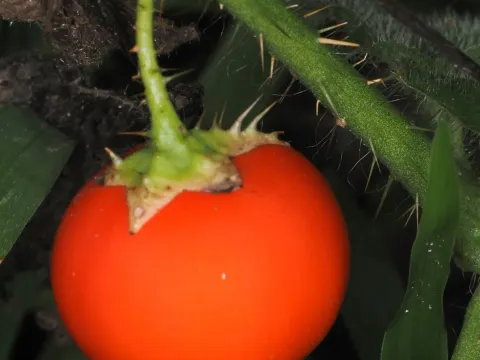
Soda apple
Solanum capsicoides
Soda apple (Solanum capsicoides) is an ornamental plant belonging to the Solanaceae family. Originating from tropical South America, it is now found in various subtropical regions worldwide due to its distinct, bright, tomato-like fruit appearance.
What the section contains
Soda apple
The plant requires a warm climate to thrive, as it is highly sensitive to frost. It prefers full sun exposure and warm temperatures, typically ranging from 20°C to 30°C. In temperate zones, it is often grown as an annual or in pots moved indoors during winter.
Well-draining, nutrient-rich soil is essential for the healthy growth of this species. It does not tolerate waterlogging, which often leads to rapid root rot. Using a high-quality potting mix with added perlite or organic matter is recommended for container gardening.
Agronomic management involves consistent irrigation to keep the soil moist but not saturated. Regular fertilization with a balanced NPK fertilizer is beneficial during the active growing phase to support both the foliage development and the prolific fruit set.
The primary use of Solanum capsicoides is ornamental decoration. While the plant belongs to the nightshade family, the fruits are not typically harvested for food, as they contain alkaloids and are generally considered non-edible or toxic if ingested in quantity.
Common pests affecting the soda apple include aphids, whiteflies, and spider mites. These insects can quickly colonize the plant, especially in sheltered or greenhouse environments where natural predators are absent.
Pathogenic threats include fungal issues like late blight and root rot caused by overwatering. Maintaining proper air circulation, using sterilized soil, and removing infected plant tissue are standard practices to minimize these risks.