
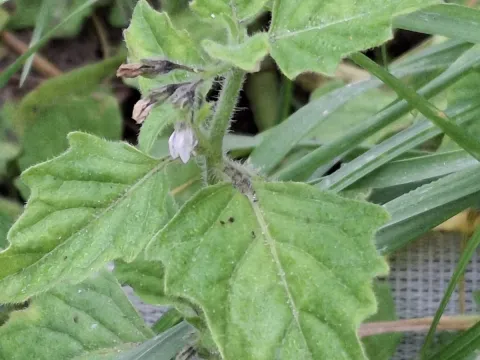
Shining-berry nightshade
Solanum nitidibaccatum
Solanum nitidibaccatum, commonly known as shining-berry nightshade, is a plant belonging to the Solanaceae family. While often categorized as a wild species, its adaptability makes it a subject of interest for agricultural studies regarding potential niche crop development.
What the section contains
Shining-berry nightshade
Sowing in open fields should commence once soil temperatures have stabilized above 14 degrees Celsius. It is crucial to wait until the risk of late spring frost has completely passed to ensure robust initial development of the seedlings.
For more controlled environments, nursery starting is highly recommended. Seeds are typically sown in greenhouse trays about six weeks before the planned transplanting date to ensure healthy root systems before they are moved outdoors.
The seeds should be sown at a depth of approximately 1 to 2 centimeters. Maintaining uniform moisture is essential during the germination phase to ensure a high percentage of emergence across the entire planting area.
When sowing for biomass or forage, a row spacing of 50 to 60 centimeters is ideal. This configuration provides enough space for the plants to spread while facilitating mechanical weeding or fertilization processes during the growth season.
The species requires high levels of solar radiation for optimal development. It thrives best in full sun, which promotes vigorous growth and increases the production of phytochemicals within the plant tissue.
Soil requirements are relatively standard for Solanaceae species: deep, well-draining loams or sandy soils are preferred. The soil should be neutral in pH, providing a balanced environment for nutrient uptake.
Consistent moisture is necessary, particularly during the flowering and fruit-setting stages. While the plant can tolerate short periods of dry conditions, prolonged drought will significantly inhibit both plant size and potential yield.
The thermal optimum for growth lies between 20 and 26 degrees Celsius. Because of its sensitivity to thermal stress, adequate ventilation in protected cultivation areas is vital to prevent heat accumulation during peak summer months.
Balanced fertilization is beneficial, with a focus on phosphorus and potassium after the establishment phase. These nutrients contribute to structural integrity and improve the plant's resistance to environmental stresses throughout the season.
Phytophthora (late blight) is the most significant disease threat for this crop. It is exacerbated by high humidity and poor airflow, making it essential to monitor moisture levels around the foliage at all times.
Alternaria leaf spot is another common infection that can reduce photosynthetic capacity. Implementing proper crop rotation and removing infected plant debris at the end of the season are critical sanitary practices to prevent recurrence.
The Colorado potato beetle represents the primary insect threat. Regular scouting is required during the early stages of growth, as defoliation by larvae can quickly render the plant incapable of producing high-quality yields.
Aphids and spider mites are frequent pests in drier conditions. These insects target the undersides of leaves, which can lead to rapid wilting or the transmission of viruses if left unchecked by integrated pest management.
- Phytophthora blight
- Alternaria leaf spot
- Colorado potato beetle
- Aphids
- Spider mites
Harvesting is typically performed once the berries reach their full biological maturity, marked by a deep, glossy sheen. Timing is critical, as premature harvest results in lower sugar content and poorer storage stability.
For forage production, the biomass should be harvested just before the stems begin to turn woody. This ensures that the nutritional content, particularly protein and fiber, remains at the peak level for animal consumption.
Selective harvesting of berries is often preferred for market crops. By gathering only the fully mature fruits, growers can ensure quality consistency and extend the harvest window over several weeks.
Post-harvest management involves keeping the product in a cool, ventilated environment. Because the moisture content of the fruit is high, they are susceptible to spoilage if piled too deeply without adequate airflow.
Seed harvesting should only be conducted from healthy, high-performing plants. Once the seeds are extracted, they must be cleaned of pulp residue and air-dried thoroughly before storage to prevent mold growth during the winter months.