
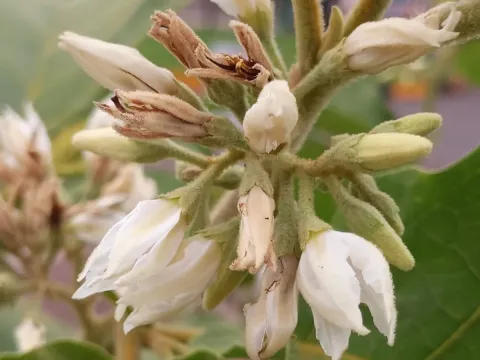
Shield-leaved nightshade
Solanum scuticum
Solanum scuticum, known as the shield-leaved nightshade, belongs to the Solanaceae family and requires precise timing for sowing to maximize vegetative growth periods.
What the section contains
Shield-leaved nightshade
In most regions, this crop is best cultivated using the transplanting method, starting seeds indoors several weeks before the last expected spring frost date.
Seeds should be planted in high-quality, sterile potting mix at a depth of about 0.5 centimeters, ensuring constant soil moisture and warmth for optimal germination.
Once the seedlings develop their first true leaves, they should be thinned or transplanted into individual pots to provide adequate space for root development.
Acclimatization, or hardening off, is a vital stage in the life cycle of these plants, gradually exposing them to outdoor conditions over a ten-day period before final planting.
This crop thrives in sunny locations with full sun exposure, as it requires significant light intensity for the healthy development of its shield-like foliage and fruits.
Well-drained, fertile soil with a slightly acidic to neutral pH is essential, as the plant cannot tolerate waterlogged conditions which promote root-related diseases.
Consistent moisture is key during the flowering stage, but farmers should avoid overhead irrigation to prevent leaf wetness and the subsequent development of fungal issues.
Nutrient management involves applying balanced fertilizers rich in phosphorus and potassium during the reproductive phase to support fruit set and development.
Temperature management is critical; the plants perform best in environments with daytime temperatures between 20 and 28 degrees Celsius, avoiding sudden temperature drops.
Like many members of the Solanaceae family, the shield-leaved nightshade is susceptible to common pests such as aphids, spider mites, and Colorado potato beetles.
Fungal diseases, particularly late blight and root rot, represent the most significant threat, especially in humid and poorly ventilated growing conditions.
Integrated Pest Management (IPM) strategies, including crop rotation and the use of resistant varieties, are highly recommended to sustain crop health.
Regular field scouting is essential to identify early signs of infestation or disease, allowing for timely intervention with appropriate biological or chemical treatments.
Sanitation practices, such as removing crop residues after harvest, are crucial for breaking the disease cycle and preventing the overwintering of pathogens in the soil.