
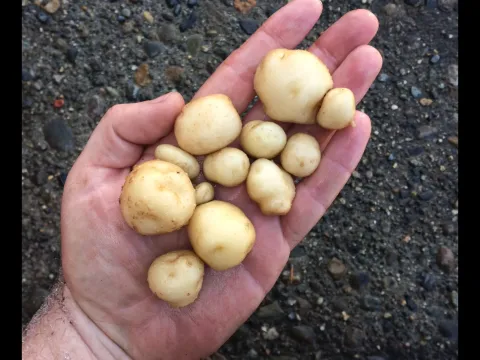
Solanum acroglossum
Solanum acroglossum
Solanum acroglossum is a species within the Solanaceae family, originating from the Andean regions of South America where it thrives in highland ecosystems.
What the section contains
Solanum acroglossum
It is recognized for its unique botanical traits, which distinguish it from other members of the genus Solanum found in lower altitudes.
The plant demonstrates a distinct growth pattern adapted to cool, moist environments and variable light availability in its native range.
In agricultural and research settings, propagation is typically managed through seed germination in controlled nursery conditions to ensure successful establishment.
The developmental stage of this species is sensitive to timing, requiring precise environmental cues to trigger the transition from vegetative to reproductive phases.
The plant requires well-draining, nutrient-rich soil with a slightly acidic to neutral pH level to optimize nutrient uptake and root health.
Climate preferences include stable, cool-to-moderate temperatures; avoiding extreme heat is essential to maintain the integrity of the plant's foliage.
Consistent irrigation is vital, as the species relies on stable soil moisture levels to support its physiological activities during the active growing season.
Exposure to direct, intense sunlight can be detrimental, therefore partial shade or controlled environments are often preferred in cultivation.
Regular monitoring of soil fertility, specifically the balance of potassium and phosphorus, helps in maintaining vigorous plant development.
Solanum acroglossum is susceptible to typical Solanaceae pests, including aphids, whiteflies, and spider mites, which can cause significant damage to young plants.
Fungal pathogens such as Phytophthora and Alternaria pose a major threat, particularly in environments with high humidity and poor air circulation.
Viruses transmitted by insect vectors can severely impact plant yield and health, making vector control an essential part of the management strategy.
Effective management includes implementing a robust IPM (Integrated Pest Management) program to keep pest populations below the economic injury level.
- Sanitary pruning of infected plant parts
- Monitoring for early signs of leaf discoloration
- Strategic application of fungicide treatments