
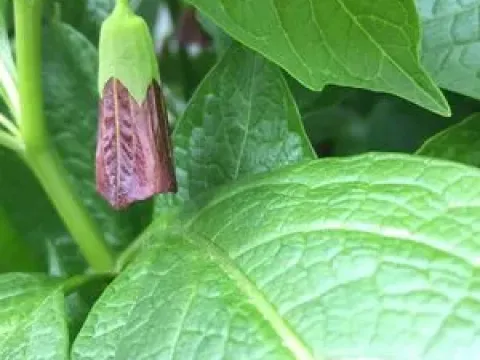
Scopolia
Scopolia
The propagation of Scopolia is most effectively achieved through vegetative methods, specifically the division of rhizomes during the dormant season. This ensures the successful establishment of new plants while maintaining the genetic purity of the cultivar.
What the section contains


Scopolia
Seeding is a more complex process that requires specific cold stratification techniques to break seed dormancy. Seeds should be sown in late autumn or early spring in a well-prepared seedbed that mimics the plant's natural forest-floor habitat.
Shallow planting depth is essential for germination, as the seeds require slight exposure to environmental cues to initiate growth. Consistent soil moisture must be maintained throughout the germination phase, which can span several weeks.
When starting from seeds, using a greenhouse or a controlled nursery environment helps protect the delicate seedlings from temperature fluctuations. Once they develop their first set of true leaves, they can be transplanted to their permanent locations.
Proper spacing is crucial to prevent the spread of soil-borne pathogens and to ensure that each plant has sufficient access to nutrients. Aiming for a density of approximately 5-6 plants per square meter is recommended for professional cultivation.
Scopolia is a member of the Solanaceae family that thrives in temperate, shaded environments. Its agricultural success depends heavily on mimicking its natural woodland habitat, which is characterized by dappled light and cool temperatures.
The ideal soil for Scopolia is a loose, humus-rich loam with a neutral to slightly acidic pH. The soil must be well-drained, as the plant is highly sensitive to waterlogging, which often leads to root rot and other fatal conditions.
As a shade-loving species, Scopolia should be planted in areas shielded from harsh, direct sunlight. Natural canopy shade from trees or artificial shade structures is necessary to prevent leaf scorching and to maintain the plant's vitality.
Water requirements are consistent, particularly during the active growing season. While the plant prefers moisture, it is imperative to avoid saturation, as the roots require aeration to function optimally for alkaloid synthesis.
Applying organic mulch around the base of the plant helps regulate soil temperature and moisture levels. This practice also provides a gradual supply of essential nutrients as the organic matter breaks down over time.
The primary economic value of Scopolia lies in its rich profile of tropane alkaloids, including scopolamine and hyoscyamine. These compounds are concentrated mainly in the rhizomes, which are harvested after several years of growth.
Yield optimization is closely tied to the age of the crop and the quality of agricultural management. Plants that are at least three to four years old generally offer the highest concentration of active pharmaceutical compounds.
Quantitative analysis of the alkaloid content is a standard procedure in the production of high-quality medicinal ingredients. Careful management of soil fertility and pH levels significantly influences the total yield of raw plant material.
Maintaining the plantation involves periodic rejuvenation by thinning or dividing older clumps. This ensures that the crop remains in a vigorous growth phase, preventing the decline in metabolism that often occurs in aging, root-bound plants.
Proper handling and documentation of the harvest are essential for pharmaceutical traceability. The raw material must be sorted and cleaned rigorously to meet strict industrial quality standards before processing commences.
As a relative of potatoes and tomatoes, Scopolia is susceptible to common Solanaceae pests and diseases. Phytophthora and root rot are the most significant threats, often exacerbated by high humidity and inadequate soil drainage.
Pests such as aphids and Colorado potato beetles can cause significant damage to the foliage, which reduces the plant's photosynthetic efficiency. Integrated pest management strategies, focusing on early detection, are highly effective.
Slugs and snails present a persistent threat to new spring growth. Implementing physical barriers, such as copper tape or crushed eggshells, can protect young shoots without the excessive use of chemical pesticides.
Crop rotation is a fundamental preventive measure to avoid the build-up of soil pathogens. Scopolia should never be planted following another Solanaceous crop to minimize the risk of recurring infections within the plantation.
Due to the potent toxicity of the alkaloids found in all parts of the plant, handlers must wear appropriate protective clothing. Safe disposal of plant waste and careful monitoring of worker safety are essential aspects of its cultivation.
The harvesting process takes place in late autumn, once the foliage has withered and the plant has entered its dormant period. This is when the concentration of the desired active compounds in the rhizomes is at its peak.
Careful excavation using manual or light mechanical tools is required to ensure that the rhizomes remain undamaged. Any cuts or bruises on the rhizomes can serve as entry points for pathogens and lead to rapid degradation.
Once harvested, the roots must be promptly cleaned of soil and debris. Washing should be performed with precision to avoid losing water-soluble compounds, and the material should be spread out to drain immediately after cleaning.
The drying phase must occur in a controlled environment with temperatures kept below 50 degrees Celsius. Excessive heat can alter the chemical structure of the alkaloids, significantly reducing the potency of the final medicinal product.
Following drying, the product is stored in airtight, light-proof containers to prevent further oxidation. Maintaining a cool and dry storage environment ensures that the medicinal properties are preserved until the material is processed.