
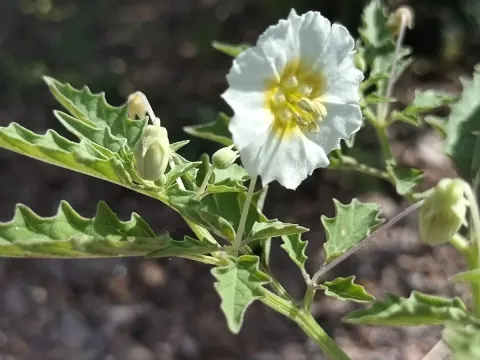
Sharp-leaf groundcherry
Physalis acutifolia
Physalis acutifolia, commonly known as the sharp-leaf groundcherry, is an annual herbaceous plant belonging to the Solanaceae family, widely appreciated for its unique botanical traits.
What the section contains
Sharp-leaf groundcherry
Propagation begins with indoor sowing in late winter or early spring, using a high-quality, sterile seed-starting mix to ensure vigorous seedling development.
Seeds require a constant temperature between 21 and 24 degrees Celsius to germinate successfully, with emergence typically occurring within two weeks of planting.
Seedlings should be hardened off gradually before being transplanted into the garden once the danger of frost has passed, ensuring they adapt to outdoor conditions.
Space the plants approximately 50–60 centimeters apart to provide enough room for branching and to promote air circulation throughout the growing season.
This crop thrives in full sunlight, which is essential for the maturation of the fruit and the development of its distinct flavor profile during the ripening phase.
Well-drained, fertile soil with a slightly acidic to neutral pH is ideal for the robust growth of the sharp-leaf groundcherry in diverse agricultural environments.
Consistent moisture is necessary throughout the flowering and fruiting period, though gardeners should avoid waterlogging the soil to prevent root issues.
The addition of well-rotted organic matter into the soil prior to planting significantly boosts plant vigor and supports sustained fruit production.
Protection from strong winds is highly recommended, as the stems can be somewhat brittle and may break under the weight of heavy fruit or severe weather conditions.
Like many members of the Solanaceae family, Physalis acutifolia can be susceptible to common pathogens such as early blight, late blight, and various bacterial wilts.
Effective management strategies include crop rotation, ensuring the plant is not grown in the same spot where potatoes, peppers, or tomatoes were previously cultivated.
Common insect pests include whiteflies, aphids, and flea beetles, which can transmit viruses if left unmanaged throughout the vegetative growth period.
Regular monitoring of the underside of leaves for signs of infestation allows for early intervention using organic insecticidal soaps or neem-based products.
Maintaining a clean garden environment by removing weeds and plant debris reduces the overwintering sites for pests and pathogens that threaten the crop.
Harvesting should occur when the papery husks turn brown and dry, indicating that the berries inside have reached their peak maturity and sweetness.
The fruits of the sharp-leaf groundcherry are versatile in the kitchen, suitable for making jams, jellies, salsas, or eating fresh directly from the vine.
Fruits that have fallen to the ground are often perfectly ripe and can be gathered daily to prevent them from becoming overly soft or damaged by soil moisture.
After harvest, it is best to store the groundcherries in their husks in a cool, dry area, which allows them to remain fresh for several weeks.
Proper processing, such as washing and thoroughly drying the berries, is essential if the fruit is intended for immediate canning or dehydration for long-term use.