
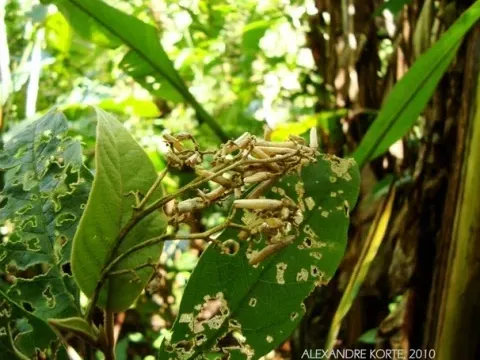
Sessea
Sessea
The genus Sessea belongs to the Solanaceae family. This group comprises woody plants, including shrubs and small trees, that have evolutionarily adapted to the specific conditions of high-altitude ecosystems.
What the section contains
Sessea
Plants of this genus are primarily native to South America. Their core range covers the Andean mountain chains, including regions in Bolivia, Peru, and Argentina, where they thrive in high-altitude climatic conditions.
Botanically, Sessea plants are characterized by alternate leaf arrangement and tubular flowers, often grouped into panicles. The fruits are capsules, a feature that distinguishes them from many other members of the family known for fleshy fruits.
The crop has specific requirements for growth conditions: it prefers well-drained soils with a neutral or slightly acidic pH. A moderate temperature regime without extreme heat is essential for healthy development.
In their natural habitat, these plants play a crucial role in maintaining soil stability on slopes. While Sessea is not a traditional industrial agricultural crop, it is of great interest to botanical research and experimental cultivation.
Like most members of the Solanaceae family, Sessea can be susceptible to pests characteristic of this taxon. The most common threats include aphids and various species of spider mites.
Fungal diseases, often caused by excessive soil moisture or poor root aeration, pose a significant risk to young plants. Root rot is the most frequent cause of seedling loss when agricultural practices are neglected.
Viral infections transmitted by insect vectors can negatively affect leaf development. Regular monitoring of the plant's phytosanitary status is necessary for effective management.
In open field conditions, competition with weeds during the early growth stages can significantly slow down the development of the culture. Timely weeding and mulching around the root zone are highly recommended.
Disease prevention involves maintaining an appropriate irrigation schedule and ensuring good air circulation, which prevents the spread of pathogens within the dense canopy of the shrub.