
Solandra
Solandra
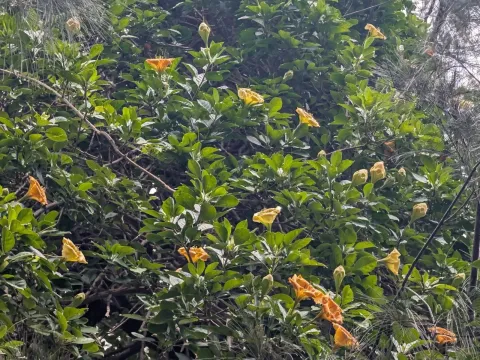
Solandra is a genus of high-climbing, evergreen woody vines belonging to the Solanaceae family. Native to tropical regions of the Americas, these plants are known for their impressive, trumpet-shaped flowers that release a coconut-like fragrance at night.
What the section contains


Solandra
This crop requires a warm, frost-free climate to thrive and is generally grown in greenhouses or tropical outdoor settings. It demands high light levels, although it should be protected from the harsh, direct sun in peak summer temperatures to avoid leaf scorch.
The soil requirements for Solandra include a rich, well-draining organic medium with a slightly acidic to neutral pH. Proper soil structure is essential as the plant is susceptible to root rot if the substrate remains waterlogged for extended periods.
Agrotechnical management involves vigorous pruning, as the vines can reach significant lengths. Strong, durable trellising systems are mandatory to support the weight of the massive foliage and stems, ensuring the plant has enough vertical space to expand.
Solandra is primarily utilized in ornamental horticulture and botanical conservatories. Its striking floral display and rapid growth rate make it a popular specimen for large-scale landscaping in tropical regions or specialized indoor collections.
The most significant pests affecting Solandra in controlled environments are spider mites, especially in low-humidity conditions. These pests can rapidly infest the undersides of the leaves, causing stippling and eventual leaf drop.
Mealybugs and scale insects also frequently attack the stems and leaf axils, drawing sap from the plant and leading to stunted growth. Manual removal and horticultural soaps are often effective in the early stages of infestation.
Fungal diseases, specifically root rot (Phytophthora or Pythium species), are common hazards resulting from poor drainage or overwatering. Maintaining a strict irrigation schedule is the primary defense against these pathogens.
Aphids may cause damage to young shoots and floral buds. If left untreated, the secretion of honeydew by aphids can lead to the growth of sooty mold, which impairs the photosynthetic capacity of the plant's leaves.
Integrated Pest Management (IPM) strategies, including the use of biological controls and judicious application of systemic pesticides, are recommended for large-scale greenhouse production to minimize damage while protecting plant health.