
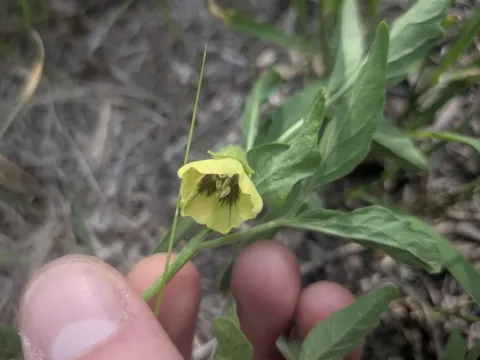
Physalis virginiana
Physalis virginiana
Physalis virginiana, commonly known as Virginia groundcherry, is a perennial herbaceous plant belonging to the Solanaceae family.
What the section contains
Physalis virginiana
Propagation is typically done through seeds, which should be started indoors approximately six weeks before the last frost date to ensure strong plant establishment.
The seeds require a warm, moist medium to germinate effectively, with temperatures held consistently between 20°C and 22°C during the initial growth phase.
When seedlings develop their first true leaves, they should be transplanted into individual pots to avoid root crowding and promote a robust branching structure.
Hardening off the plants is a crucial step before moving them to the outdoor field, allowing them to acclimate to natural wind and sunlight conditions.
This species thrives in sunny locations with well-drained, sandy-loam soils that have a slightly acidic to neutral pH profile.
While the plant is known for its moderate drought tolerance, adequate moisture during the fruit-set period is essential for achieving high yields.
Soil fertility can be managed by incorporating well-rotted compost or organic manure before planting, which supports sustained vegetative growth throughout the season.
Spacing between plants should be sufficient, ideally 50–60 cm apart, to ensure proper air circulation and reduce the risk of localized fungal outbreaks.
The crop prefers temperate climates and is highly sensitive to severe frost, so protection measures should be taken if late spring or early autumn frosts are expected.
Major pests affecting this crop include the Colorado potato beetle and aphids, both of which can cause severe foliage damage and reduce overall photosynthetic capacity.
Fungal pathogens like late blight and root rot represent the primary disease threats, especially in regions with high humidity or poor soil drainage.
Cultural management, such as implementing strict crop rotation away from other Solanaceous species, is vital for preventing the build-up of soil-borne pathogens.
Regular monitoring of the undersides of leaves is necessary to detect early infestations of mites or pests that may impact plant vigor.
Biological controls and targeted mechanical removal are preferred over broad-spectrum pesticides to maintain the ecological balance of the field.
Harvesting Physalis virginiana begins when the papery husks turn brown and brittle, indicating that the fruit inside has reached its peak sugar concentration.
The berries are naturally inclined to drop to the ground upon full maturity, so frequent harvesting sessions are recommended to maintain fruit quality.
Once gathered, the fruit should be cleaned of husks and allowed to dry in a well-ventilated area, which significantly extends their shelf life.
The fruit is valued for its unique culinary applications, including jams, preserves, and fresh consumption, offering a sweet-tart flavor profile.
With proper post-harvest handling and cool storage, the fruits can remain in good condition for several weeks, making them a viable market crop.