
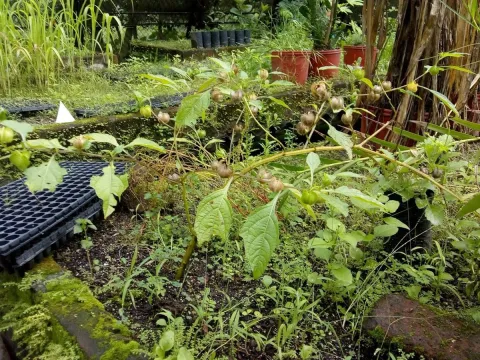
Physalis lagascae
Physalis lagascae
Physalis lagascae is a heat-loving crop, so it is recommended to sow seeds for seedlings 40–50 days before planting them in open ground.
What the section contains
Physalis lagascae
The optimal time for sowing is late March or early April, which allows the plants to become strong enough before the onset of stable warm weather.
Seeds should be sown in a nutrient-rich substrate at a depth of no more than 1 centimeter, maintaining moderate moisture and temperatures between 22–25 degrees Celsius.
Transplanting the seedlings into individual containers is performed at the stage of two true leaves, promoting the development of a robust root system.
Outdoor planting should only be carried out after the risk of spring frost has passed, as temperature drops are detrimental to young plants.
The culture belongs to the Solanaceae family and requires high light intensity, preferring open, well-warmed sunny areas for optimal growth.
Physalis lagascae thrives in light, fertile, and well-drained soils with a neutral pH, which effectively prevents waterlogging issues.
The plant struggles in heavy clay soils and excessive moisture, therefore low-lying areas prone to flooding should be avoided during site preparation.
Regular but moderate watering is essential, especially during the flowering and fruit-setting stages, to prevent stress and ensure yield potential.
The plant responds well to organic amendments such as compost or well-rotted manure, which should be incorporated into the soil before planting.
Like other members of the Solanaceae family, Physalis lagascae is susceptible to common diseases, including late blight affecting fruits and leaves.
Under conditions of high humidity and poor air circulation, fungal infections such as powdery mildew or various forms of root rot may develop.
Common pests include Colorado potato beetles, various aphid species, and spider mites, which feed on the plant sap and weaken the foliage.
To prevent the spread of pests and diseases, crop rotation and the timely removal of weeds, which often serve as disease reservoirs, are highly recommended.
If a severe infestation occurs, biological or approved chemical control measures should be applied, always observing the required pre-harvest intervals.
The ripening process of Physalis lagascae fruits is easily identifiable by the color change of the skin and the drying of the papery husk covering the fruit.
Harvesting should be performed selectively as fruits ripen, since they tend to drop from the plant once they reach full biological maturity.
The harvested fruits, when left inside their husks, demonstrate good shelf life, allowing for storage in a cool, ventilated area for an extended period.
The crop is highly versatile and can be enjoyed fresh, used in jams and preserves, or utilized as a decorative element in various culinary applications.
Regular harvesting encourages the plant to continue producing new flower buds, effectively extending the productive season until late autumn.