
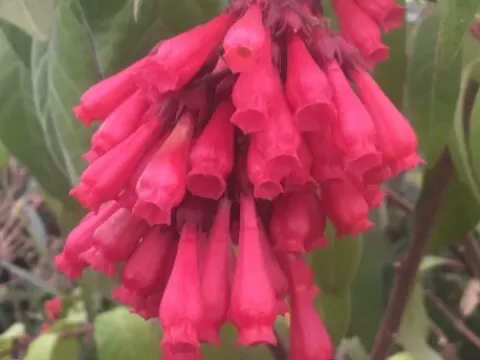
Pink Cestrum
Cestrum roseum
Cestrum roseum, commonly known as pink cestrum, is a decorative evergreen shrub belonging to the Solanaceae family. Native to the tropical regions of the Americas, it is highly valued by gardeners for its distinct tubular flowers and lush foliage.
What the section contains
Pink Cestrum
Botanically, this shrub features alternate leaves and terminal inflorescences that bloom in shades of pink. It is a vigorous grower under favorable conditions, though it requires specific light and temperature inputs to maintain its health and aesthetic appeal throughout the seasons.
The plant requires well-drained, nutrient-rich soil to thrive. It performs best in locations that provide plenty of bright, indirect light. When grown in containers, it is essential to ensure the pots have adequate drainage holes to prevent water accumulation near the root system.
Agricultural and gardening management involves regular fertilizing during the growing season with balanced plant food. Pruning is a critical practice for Cestrum roseum; it helps to maintain a compact shrub shape and encourages the development of new, flower-bearing branches.
Climate sensitivity is the most important constraint for this species. Being a tropical plant, it cannot withstand freezing temperatures. In regions with cold winters, growers must relocate the plants to indoor greenhouses or conservatories to prevent frost damage.
The most common pests affecting the pink cestrum are spider mites, aphids, and whiteflies. These insects typically thrive in low-humidity environments, making proper air circulation and leaf misting essential components of the plant's maintenance routine.
Pathogenic threats include root rot and powdery mildew, which are often caused by excessive irrigation or poor ventilation. Implementing a strict watering schedule and providing space between plants are the primary methods for mitigating these biological risks.