
Potato tree
Solanum erianthum
Description
Growing requirements
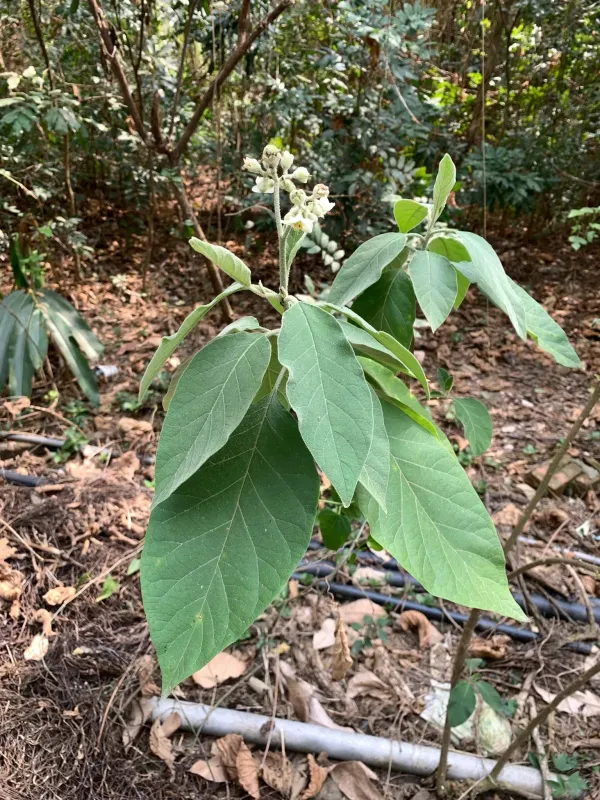
The potato tree, botanically known as Solanum erianthum, is a fast-growing perennial shrub within the Solanaceae family. It is characterized by its broad, woolly leaves and clusters of small white flowers that develop into round, yellow berries.
Originating from the tropical Americas, the species has naturalized in many warm regions globally. It serves as an important ecological plant in tropical ecosystems and has found a niche in industrial agricultural practices due to its chemical compounds.
Climate requirements for this crop are strictly tropical. It thrives in frost-free environments with annual temperatures typically ranging between 20 and 30 degrees Celsius. Exposure to cold stress leads to immediate tissue damage and metabolic arrest.
Soil preferences include well-drained, fertile, or even disturbed sandy loams. The crop is remarkably resilient to varying soil pH levels but avoids waterlogged conditions which are detrimental to root health and overall plant vigor.
Cultivation practices involve maintaining optimal sunlight exposure and moderate irrigation. While it shows drought tolerance, commercial yields are significantly improved with consistent moisture, especially during the fruit development stage.
Main diseases and pests
Like many members of the nightshade family, Solanum erianthum is susceptible to common blight and various fungal pathogens. High humidity levels combined with poor canopy ventilation are the primary drivers of localized disease outbreaks.
Insect pests including aphids, whiteflies, and spider mites frequently infest the foliage. These pests not only weaken the plant through sap extraction but also serve as vectors for various viral diseases that negatively impact crop production.
Effective management includes maintaining a rigorous pest monitoring schedule and implementing mechanical pruning to improve air circulation. The use of biological controls is recommended to maintain an ecological balance within the plantation.
Chemical control should be employed with caution to protect local pollinators and maintain the purity of the pharmaceutical raw material. Integrated pest management (IPM) strategies prove most effective in long-term crop protection.
Understanding the life cycle of the potato tree is essential for yield optimization. As a pharmacological source, the crop requires careful harvesting procedures to ensure the quality and concentration of steroids and other bioactive secondary metabolites.