
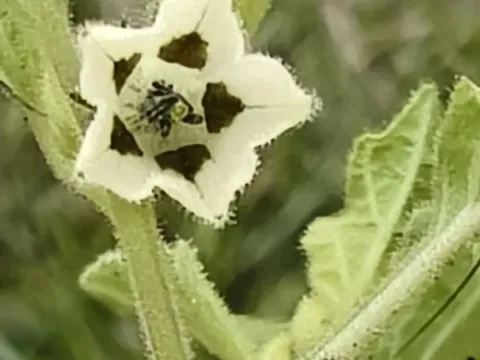
Physalis nicandroides
Physalis nicandroides
Seeds of Physalis nicandroides should be sown indoors in March or early April. This timing ensures a sufficient growing season for the plants to reach full maturity before the end of summer.
What the section contains
Physalis nicandroides
For direct seeding in open ground, it is necessary to wait until soil temperatures consistently reach at least 12-15 degrees Celsius. Seeds should be planted at a depth of 1-1.5 centimeters.
Pre-soaking seeds in a growth stimulant can improve germination rates significantly. Maintaining a steady temperature around 20 degrees Celsius is essential for uniform seedling emergence.
Transplanting should occur when the seedlings have developed two true leaves. Adequate light exposure is critical at this stage to prevent the plants from becoming leggy or weak.
The hardening-off process should be carried out before planting in the field in late May. A spacing of 50 by 50 centimeters is recommended to ensure proper airflow and light penetration.
Physalis nicandroides, a member of the Solanaceae family, originates from Central and South America. It thrives in sunny locations protected from strong winds, as it is a heat-loving plant.
The crop prefers well-drained loamy or sandy soils enriched with organic matter. Proper drainage is essential, as waterlogged soil can lead to root rot and other fungal diseases.
The optimal temperature range for active growth is between 20 and 25 degrees Celsius. Growth slows down considerably when temperatures drop below 10 degrees Celsius.
Regular weeding and soil aeration are vital parts of the maintenance cycle. Irrigation should be consistent, ensuring the soil remains moist but not saturated during the flowering phase.
Application of phosphorus and potassium fertilizers promotes healthy fruit production. Organic matter should be incorporated into the soil during land preparation to improve fertility.
Common pests affecting Physalis nicandroides include the Colorado potato beetle and aphids. These insects can cause significant damage to the foliage and affect overall plant vitality.
Late blight is the most serious disease risk, common among solanaceous crops. High humidity and temperature fluctuations create ideal conditions for its development on leaves and stems.
Effective management requires strict crop rotation practices. Avoiding planting Physalis after tomatoes, potatoes, or peppers helps to break the disease and pest cycle.
Integrated pest management, including the use of biological control agents, is recommended. Regular monitoring allows for early detection and intervention before pest populations explode.
Removing plant debris after the harvest is essential for sanitation. This practice minimizes the survival of pathogens and pests in the field for the following season.
Harvesting begins when the papery husks turn brown or pale yellow, signaling that the fruits inside have reached maturity. It is best to complete the harvest before the first frost.
Immature fruits can be harvested before the onset of cold weather and ripened indoors. This technique ensures a full yield even in regions with short growing seasons.
The plant has diverse uses in the food industry and for decorative landscaping. The fruits are typically processed after removing the husks and are known for their unique properties.
After collection, fruits should be cleaned and dried in a well-ventilated area. Properly cured fruits can be stored in cool, dry conditions for an extended period.
Post-harvest management involves sorting fruits to remove damaged ones. This prevents the spread of rot and ensures the longevity of the stored produce.