
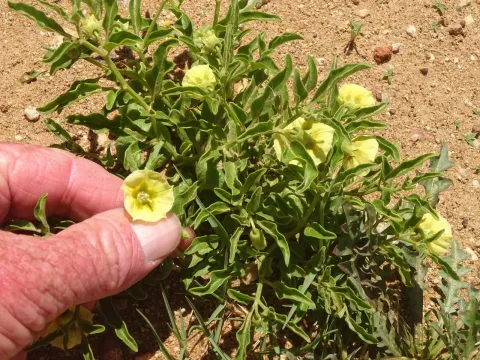
Physalis mendocina
Physalis mendocina
Sowing seeds of Physalis mendocina in temperate climates is best accomplished through indoor seedling production. The optimal time for sowing is late March to early April, which allows the plants to establish sufficient vigor before being moved outdoors.
What the section contains
Physalis mendocina
Pre-treating seeds by soaking them in growth stimulants improves germination rates significantly. Utilizing a nutrient-rich, well-aerated seed-starting substrate is crucial for developing a strong root system in the early stages of growth.
The temperature should be maintained between 20–22 degrees Celsius until true leaves emerge. Gradually hardening off the seedlings before transplanting helps minimize transplant shock and ensures better survival rates in the field.
Transplanting into the open field should occur only after the danger of frost has passed and soil temperatures have stabilized around 15 degrees Celsius. This typically coincides with late May, depending on the local climate zone.
The planting pattern should provide adequate space, typically 50–60 centimeters between plants, to ensure proper airflow and light penetration, which is vital for preventing humidity-related issues in the canopy.
Physalis mendocina is a member of the Solanaceae family and is native to the arid regions of South America, particularly Argentina. It has evolved to thrive in environments with high light intensity and limited water availability.
This crop prefers light, well-draining soils with a neutral to slightly acidic pH level. Heavy, water-logged clay soils are detrimental to the root system and must be avoided to prevent root rot and stagnation.
Although the plant exhibits high drought tolerance, consistent and moderate irrigation is necessary to achieve a commercial-grade harvest. Excessive moisture during the fruiting stage can lead to fruit cracking or fungal spoilage.
A location protected from strong winds and with southern or southwestern exposure is ideal for meeting the plant's heat requirements. Warmth is the most critical environmental factor for the proper metabolism of this species.
Organic amendments added before planting provide essential nutrients for sustained growth. Supplementing with potassium-rich fertilizers during the fruit-set period improves fruit ripening and enhances overall flavor profiles.
Like most solanaceous crops, Physalis mendocina is susceptible to late blight if humidity levels remain high for extended periods. Preventive measures include regular pruning of lower leaves to improve ventilation around the base.
Soil-borne pests such as wireworms and mole crickets can pose a risk to younger plants by damaging their root systems. Implementing biological control strategies early in the season is effective in protecting the young crop.
Aphids and spider mites may infest the plants during prolonged hot and dry spells, necessitating the use of contact-based insecticides or insecticidal soaps. Regular monitoring of leaf undersides is recommended as a standard practice.
Powdery mildew can occur if agricultural practices are neglected. For management, applying approved fungicides specifically formulated for vegetable crops is necessary if outbreaks are identified early.
Effective crop rotation is the primary defense against the buildup of soil-borne pathogens. Planting physalis after other solanaceous crops like tomatoes, potatoes, or peppers should be avoided to minimize disease carryover.
Harvesting of Physalis mendocina begins when the calyx, or husk, turns a characteristic straw color and starts to dry out. This shift in color is a reliable indicator that the fruit inside has reached optimal sugar levels.
Fruits that fall to the ground are often perfectly edible if the weather is dry, but timely manual harvest is preferred to ensure quality and prevent ground rot. Properly harvested fruit in dry conditions has a longer shelf life.
The husks should be removed only just before consumption or processing, as the natural covering provides a sterile and protective barrier against mechanical damage and external contaminants during storage.
Post-harvest, the fruits should be cured in a well-ventilated, shaded area to allow for even ripening of any slightly immature fruits and to improve the overall longevity of the produce during the winter months.
Culinary uses are diverse, ranging from fresh consumption to commercial processing into jams, preserves, and gourmet sauces. Due to its unique aroma, it is highly prized as a component in high-end desserts and savory appetizers.