
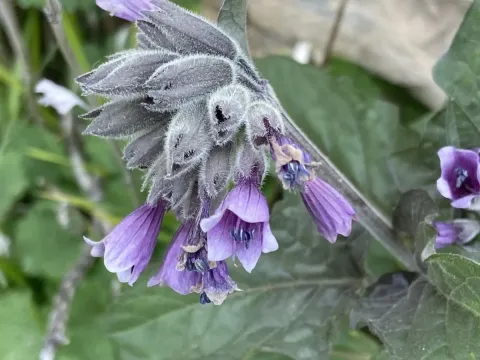
Physochlaina
Physochlaina
Physochlaina is a genus of perennial herbaceous plants belonging to the Solanaceae family. These plants are primarily native to the mountainous and steppe regions of Central and East Asia, where they have adapted to thrive in diverse environmental conditions.
What the section contains


Physochlaina
For successful cultivation, Physochlaina requires well-drained, fertile soil with a neutral pH level. The plant performs best in areas that receive full sunlight but can tolerate partial shade, provided the light intensity is sufficient to support its growth cycles.
Climate conditions play a vital role in the development of the plant; it is well-adapted to high-altitude environments characterized by distinct diurnal temperature variations. It exhibits high winter hardiness, allowing it to survive frost without significant damage.
Soil management should focus on maintaining adequate aeration. The roots are sensitive to compaction, which can impede water uptake and nutrient absorption, potentially leading to stunted growth or development of physiological disorders.
Proper agricultural practices include spacing plants sufficiently to allow for optimal air circulation. This is essential to prevent the microclimate within the canopy from becoming too humid, which could otherwise encourage the growth of pathogenic organisms.
The primary threats to Physochlaina include fungal diseases such as root rot and wilt, which are often exacerbated by poor drainage and excessive irrigation during cool periods of the growing season.
Pest management is focused on common Solanaceae enemies such as aphids, beetles, and spider mites. These pests not only damage the foliage but can also act as vectors for various viral diseases that negatively impact medicinal yield.
Integrated pest management (IPM) strategies, including the use of pheromone traps and beneficial insects, are highly recommended to keep pest populations below the economic injury level without contaminating the harvest.
Preventative cultural practices, such as removing crop residues after the season and selecting disease-free planting material, are the most effective ways to maintain the health and longevity of the Physochlaina plantation.
Monitoring for signs of nutrient deficiencies is also crucial, as weak plants are significantly more susceptible to environmental stress and subsequent opportunistic infections from soil-borne fungi.