
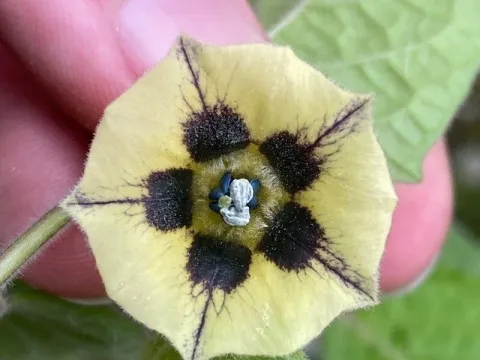
Physalis neesiana
Physalis neesiana
Physalis neesiana is a member of the Solanaceae family that requires warm conditions for successful germination and early development, making indoor seed starting essential.
What the section contains
Physalis neesiana
Sowing should begin approximately 8 weeks before the last expected frost date, using well-drained seed starter mix and maintaining temperatures near 24 degrees Celsius.
Once seedlings have developed their first true leaves, they should be transplanted into individual pots to avoid overcrowding and to promote the development of a robust root system.
Acclimatization, or hardening off, is a crucial step before transplanting into the field, where plants are gradually exposed to outdoor conditions over a period of 7–10 days.
The spacing between plants in the field should be adequate, typically 50 cm apart, to ensure sufficient airflow and light penetration, which helps prevent foliage diseases.
This crop thrives in sunny locations with well-drained soil rich in organic matter, preferring a slightly acidic to neutral soil pH for maximum nutrient availability.
Consistent soil moisture is vital during the growing season; however, waterlogging must be avoided as it leads to root decay and can significantly reduce overall crop yields.
Supplemental fertilization with balanced N-P-K fertilizers, adjusted according to the specific needs of the fruiting stage, is recommended to support high fruit quality.
Temperature stability is key, as the plant is sensitive to thermal stress; protection from cold winds and extreme temperature fluctuations is necessary for optimal performance.
Applying mulch around the base of the plants helps regulate soil temperature, reduces moisture evaporation, and prevents soil-borne pathogens from splashing onto the leaves.
Like other solanaceous crops, Physalis neesiana is susceptible to the Colorado potato beetle, aphids, and whiteflies, which require careful monitoring throughout the season.
Fungal issues, including late blight and various leaf spot diseases, can become problematic during periods of high humidity and poor ventilation among the plantings.
Integrated pest management (IPM) practices, such as the use of yellow sticky traps and selective biological insecticides, are recommended for maintaining a healthy crop.
Crop rotation remains the most effective strategy to minimize the build-up of soil pathogens, and it is advised not to grow this plant in the same area as potatoes or tomatoes.
Sanitation of the field, including the prompt removal of crop residues after the season, significantly reduces the overwintering capacity of many harmful pests and disease spores.
Harvesting Physalis neesiana should be carried out when the husks begin to turn brown and dry, which indicates that the fruit inside has reached its peak sugar content.
The fruit can be gathered directly from the plant or collected after it naturally falls to the ground, provided the ground is clean to avoid fruit decay and contamination.
For storage, the fruits should be left in their husks, as this layer provides natural protection and helps extend the shelf life of the berries at room temperature.
Processing the harvest includes various options, such as drying, making preserves, or using the fruit fresh in salads, reflecting its high versatility in the kitchen.
The nutritional profile of this fruit, combined with its distinct flavor, makes it an attractive crop for growers looking to diversify their production with exotic vegetables.