
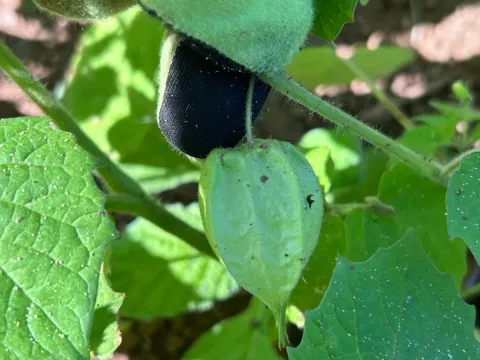
Physalis pruinosa
Physalis pruinosa
Physalis pruinosa, commonly known as the ground cherry, is a tender annual that requires a long, warm growing season. Because of this, it is typically started from seeds indoors 6 to 8 weeks before the last expected frost date.
What the section contains
Physalis pruinosa
The seeds should be sown in a high-quality, sterile seed-starting mix. Cover them lightly with soil, as they need a small amount of light to germinate effectively, and keep the soil temperature consistent around +22…+25°C.
Once seedlings have developed their first true leaves, they should be transplanted into individual pots to prevent root crowding. Provide them with ample sunlight or use grow lights to ensure sturdy, healthy stem development.
Hardening off is a critical step before moving plants to the garden. Gradually expose the seedlings to outdoor conditions over a period of 7–10 days to help them adapt to direct sun and temperature fluctuations.
Transplant the seedlings into the garden only after the soil has warmed significantly. Space the plants about 50 cm apart to allow for proper airflow, which is vital for preventing fungal diseases in the humid canopy.
As a member of the Solanaceae family, the ground cherry thrives in well-drained, fertile soil rich in organic matter. A slightly acidic to neutral soil pH is ideal for maximizing nutrient uptake.
The crop requires full sun exposure to produce sweet, flavorful fruits. Shade during the day significantly reduces the sugar content and delays the ripening of the berries, often resulting in lower yields.
Watering should be consistent throughout the growing season. While Physalis pruinosa is more drought-tolerant than some of its relatives, regular moisture during fruit set ensures larger and higher-quality yields.
It is essential to avoid planting ground cherries in locations where other solanaceous crops like tomatoes, peppers, or potatoes have recently grown to break the cycle of common soil-borne pathogens.
The plant benefits from a balanced fertilization program. Avoid excessive nitrogen after the flowering stage, as this encourages excessive foliage growth at the expense of fruit production and sugar accumulation.
Physalis pruinosa is known for its productivity, with a single healthy plant capable of yielding between 1 and 3 kilograms of fruit. The plant's sprawling growth habit allows it to set numerous clusters of fruits.
Fruits typically reach maturity within 70 to 90 days after transplanting. The harvest period can extend throughout the summer and into autumn, provided temperatures remain favorable for the plant's development.
The berries are highly prized for their unique pineapple-like, sweet-tart flavor. They are exceptionally versatile, finding use in fresh fruit salads, gourmet desserts, jams, pies, and various preserves.
The natural papery husk (calyx) acts as a protective layer, allowing the fruits to store well for several weeks after harvest if kept in a cool, dry environment. This makes them a marketable and durable crop.
Yield efficiency is increased by proper mulching, which helps conserve soil moisture and suppresses weed competition. Using straw or organic mulch also keeps the fruit clean when it drops to the ground.
Late blight and early blight are the most common fungal threats to Physalis pruinosa. These diseases are exacerbated by high humidity and poor circulation within the foliage, necessitating regular pruning of lower branches.
Tomato hornworms and various species of aphids can damage the plant by feeding on leaves and stems. Integrated pest management, including hand-picking or the use of neem oil, is effective for small-scale production.
Cutworms can be particularly destructive to young, freshly transplanted seedlings. Using protective collars made of cardboard or plastic around the base of the stems can provide a simple, physical barrier against these larvae.
Root rot is a risk in poorly drained soils. Improving soil structure through the addition of compost or raised bed cultivation is the primary method to mitigate the impact of waterlogged conditions.
Cucumber mosaic virus and other viral infections can be transmitted by insect vectors. Keeping the garden area weed-free and controlling aphid populations are essential for minimizing the spread of these pathogens.
The most distinctive feature of the harvest is that ripe ground cherries naturally drop to the ground. This is the primary indicator that the fruits have reached their peak sugar content and flavor profile.
Pick up the fallen fruits daily to prevent them from rotting on damp soil. If you prefer to harvest directly from the plant, look for husks that have turned from green to a light, papery tan color.
After collection, remove any debris and spread the fruits with their husks in a single layer in a ventilated, shaded area for 2–3 days to cure. This step significantly improves their shelf life.
If frost is predicted, gather all remaining fruits, even those with green husks. These can be ripened indoors by placing them in a warm, dry area, where they will continue to develop flavor over time.
Store the harvested, cured ground cherries in breathable mesh bags or cardboard boxes. Avoid storing them in plastic containers, as they require constant airflow to prevent the development of surface mold.