
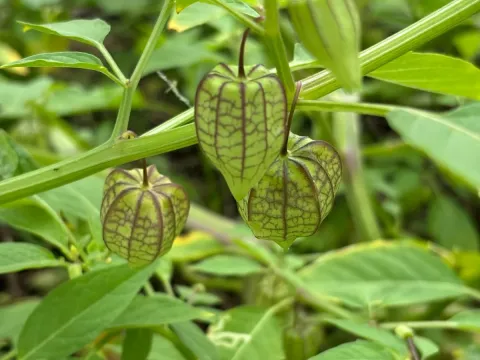
Physalis pendula
Physalis pendula
Physalis pendula is a warm-season crop that thrives when started indoors as seedlings. Seeds should be sown approximately 6 to 8 weeks before the last expected spring frost to ensure a long growing season and maximize fruit production.
What the section contains
Physalis pendula
Germination requires a stable, warm environment with temperatures between 20°C and 25°C. Once sprouts emerge, providing bright, direct light is essential to prevent etiolation, as weak seedlings often struggle to recover after being transplanted into the soil.
The substrate for sowing should be light, well-draining, and rich in organic matter. Sterilizing the soil or using pre-packaged seed-starting mixes is recommended to minimize the risk of damping-off disease, which can rapidly destroy young seedlings.
Transplanting the seedlings to the field or garden should only occur once the ground has warmed up and all danger of frost has passed. Plants should be spaced with adequate gaps to allow for healthy air circulation, which is crucial for preventing humidity-related diseases.
Hardening off the seedlings over a period of one to two weeks before final planting is a vital step. This process acclimates the plants to outdoor temperature fluctuations and direct sunlight, leading to stronger, more resilient growth in the garden bed.
This crop requires full sun exposure to produce high-quality, flavorful fruit. In regions with short summers, choosing a site with southern exposure can help provide the necessary heat accumulation to shorten the time to maturity.
Fertile, well-drained loam or sandy-loam soils are ideal for Physalis pendula. While the plant can tolerate various soil types, adding compost or well-rotted manure before planting will significantly enhance soil structure and nutrient availability.
Consistent moisture is required throughout the growing season, particularly during the flowering and fruit-set stages. However, irrigation must be managed carefully to avoid waterlogging the roots, which can lead to rapid decline or fungal infection.
Balanced fertilization is key; excessive nitrogen promotes lush leaf growth at the expense of fruit production. Applying phosphorus and potassium-rich fertilizers once flowering begins will help support the development of high-quality fruit.
Mulching is a highly effective practice for maintaining soil moisture and suppressing competitive weeds. Providing a physical barrier between the fruit and the ground can also reduce the rate of fruit rot when harvest time approaches.
Yield in Physalis pendula is heavily dependent on proper crop management, including regular pruning and adequate spacing. Removing some side shoots (suckers) can improve airflow and direct the plant's energy toward fruit development.
The harvest is typically staggered over several weeks or even months. Because fruits mature at different times, regular monitoring is necessary to catch the fruits as they ripen and fall, ensuring the best possible quality and flavor profile.
With good horticultural practices, a single plant can produce a substantial harvest of papery-husked berries. The total yield per square meter depends on soil fertility, the length of the growing season, and the specific cultivation conditions maintained.
The papery husk serves as a natural storage container, which provides significant protection against physical damage and environmental factors. This natural design makes the fruit easier to transport without immediate spoilage during the post-harvest phase.
Optimizing plant health through disease prevention ensures that the energy remains focused on fruit maturation. A well-managed crop will continue to produce until the first significant autumn frost, at which point the plant will naturally die back.
Fungal diseases like late blight and early blight represent significant risks, especially in high-humidity climates. Maintaining good plant spacing and ensuring dry foliage are critical strategies for mitigating the spread of these pathogens.
Common agricultural pests such as aphids and the Colorado potato beetle can severely damage the foliage. Early detection and the use of integrated pest management (IPM) practices, including biological controls, can prevent these infestations from ruining the crop.
Root rot is a common issue when soil drainage is poor. Ensuring that the site has excellent drainage and avoiding over-irrigation are the most effective preventive measures to keep the roots healthy and active throughout the season.
Viruses transmitted by insect vectors can also impact the growth and yield of Physalis pendula. Controlling the pest populations that act as vectors, along with good hygiene practices in the field, is essential for maintaining a virus-free garden.
- Late Blight: Requires immediate fungicide application if spotted.
- Aphids: Small insects that sap plant vitality.
- Colorado Potato Beetle: Defoliates the plant rapidly.
- Powdery Mildew: Appears as a white fungal dusting on leaves.
- Root Rot: A fatal consequence of overwatering.
The harvest begins when the papery husks turn brown or start to dry out naturally. At this stage, the fruit inside is usually fully mature and has reached its peak sugar and flavor concentration, making it ideal for immediate consumption or storage.
Physalis pendula often drops its fruit when ripe, which is a signal that the fruit is ready for collection. Ground-fallen fruit should be gathered promptly to prevent contact with wet soil, which can lead to premature decay.
Post-harvest curing is beneficial for fruits that have not reached full maturity. Placing the harvested fruit in a dry, shaded, and well-ventilated area for a few days can help improve the flavor and extend the shelf life of the berries.
Storage should take place in cool, airy containers. Due to the protective nature of the husks, these fruits can remain fresh for several weeks when kept at a stable, cool temperature away from direct sunlight.
When preparing for market or long-term storage, handle the husks carefully to avoid tearing them, as the husk is the primary protective layer for the delicate fruit skin. Keep the husks intact to preserve the fruit's natural moisture balance.