
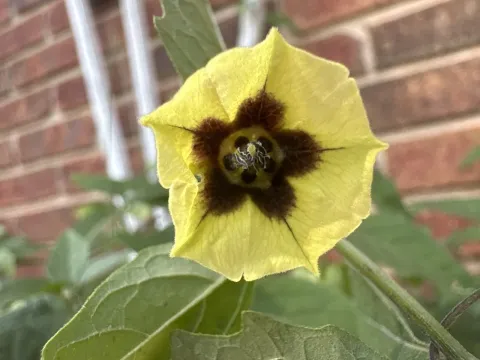
Physalis macrophysa
Physalis macrophysa
Physalis macrophysa, a member of the Solanaceae family, is a thermophilic crop requiring warm temperatures for optimal growth. In temperate climates, seeds are typically started indoors 6 to 8 weeks before the last frost date to ensure a long enough growing season.
What the section contains
Physalis macrophysa
Using seedling trays with a nutrient-rich, well-draining soil mix is essential for healthy development. Seeds should be sown at a depth of about 1 centimeter, maintaining constant moisture until germination, which usually occurs within two weeks.
Once seedlings have developed their first set of true leaves, they should be transplanted into individual pots to avoid root crowding. This promotes a stronger root system, making the plants more resilient when eventually moved outdoors.
Hardening off is a critical procedure that involves gradually exposing the young plants to outdoor conditions over a two-week period. This practice prevents shock and helps the plants adapt to direct sunlight, wind, and ambient temperatures.
Planting in the garden should only take place when the soil has fully warmed up and there is absolutely no risk of frost. Choosing a location with full sun is non-negotiable for achieving high-quality fruit production.
This species thrives in sunny, open locations with well-draining soil. It prefers a slightly neutral to alkaline pH, though it is adaptable to various soil types provided they are not overly compacted or waterlogged.
Regular watering is necessary during the active growing season, particularly when the flowers start to appear and fruit begins to swell. However, it is vital to avoid letting the roots sit in water, which can lead to rapid decay.
The ideal temperature range for Physalis macrophysa is between 20°C and 25°C. Cold snaps can significantly stunt the plant's development, while temperatures below 10°C will halt growth entirely and potentially cause irreversible damage.
Fertilization should be balanced; too much nitrogen will result in excessive foliage growth at the expense of fruit production. Applying organic compost or a balanced phosphorus-potassium fertilizer is recommended once the plant begins flowering.
Air circulation is key to preventing disease in this dense, bushy plant. Proper spacing between plants—usually 50 to 60 centimeters—ensures that leaves can dry quickly after dew or rain, reducing the risk of fungal infections.
The yield of Physalis macrophysa is highly dependent on how well the plant is managed during the flowering phase. By pruning excess side shoots, the gardener directs more energy towards fruit development rather than vegetative spread.
Each fruit is encased in a protective husk that expands as the berry matures. The yield potential is significant if the plant is protected from pests and provided with consistent moisture during the peak heat of summer.
Productivity is measured by the number and quality of fruits collected before the first autumn frost. Healthy plants will produce a continuous supply of berries throughout the season until cooler temperatures signal dormancy.
Quality control during the harvest process is important to ensure that only the healthiest fruits are stored. Fruits with damaged husks should be set aside for immediate use, while intact fruits are ideal for storage.
Proper storage in a cool, dry, and ventilated space allows the fruits to maintain their quality for several weeks. The husks act as a natural, long-lasting storage container that protects the fruit from contamination and drying out.
Common threats to Physalis macrophysa include fungal pathogens like Phytophthora and Alternaria, which thrive in humid conditions. Keeping the base of the plant clean and ensuring proper airflow are the best preventative measures.
Root rot is a frequent issue in heavy soils or where drainage is poor. To mitigate this risk, farmers often use raised beds or incorporate coarse organic matter to improve the soil structure for better water management.
Pests like aphids and the Colorado potato beetle are attracted to the succulent foliage of the plant. Regular monitoring and the use of insecticidal soaps or biological controls can keep pest populations below the threshold of economic damage.
Two-spotted spider mites can become problematic during hot, dry weather. These tiny pests suck sap from the underside of leaves, causing yellowing and premature leaf drop, which can significantly weaken the plant's vigor.
Cultural practices such as crop rotation are essential to prevent the buildup of soil-borne pathogens. Avoiding sites previously occupied by other solanaceous crops like tomatoes or peppers for at least three years is highly recommended.
Harvesting should be timed for when the husk becomes dry, papery, and light tan in color. At this stage, the fruit inside is typically at its peak of flavor, sweetness, and aroma, making it ideal for culinary use.
Fruits that drop naturally from the plant should be collected promptly, as exposure to damp soil can quickly cause them to rot. These fallen berries are often the most mature and should be processed or consumed immediately.
For long-term storage, the fruit should be left inside its husk. This simple natural protection preserves freshness and allows the fruit to continue to ripen slightly, maintaining its internal quality without refrigeration.
Sorting the harvest by size and maturity helps in managing the inventory. Larger, fully ripe fruits are best for fresh markets, while smaller or slightly less mature berries can be utilized for jams or preserves.
Cleaning up the garden plot after the final harvest is a crucial step in integrated pest management. Removing all plant debris helps prevent the overwintering of pathogens and insects that could affect the next planting season.