
Alfa-Prometrin
Zhejiang Zhongshan Chemical Industry Group Co., Ltd.
Herbicides
1
1
20 offers
4.92 €per pack
Buy

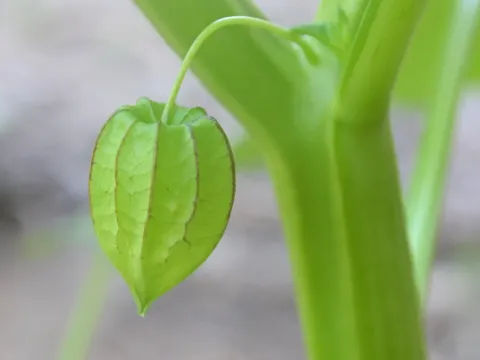
Physalis
Physalis seeds should be started indoors approximately 6 to 8 weeks before the last expected spring frost date to ensure adequate growth.
 Cape gooseberry
Physalis peruviana L.
Cape gooseberry
Physalis peruviana L.
 Clammy groundcherry
Physalis viscosa L.
Clammy groundcherry
Physalis viscosa L.
 Husk tomato
Physalis pubescens L.
Husk tomato
Physalis pubescens L.
 Japanese lantern
Physalis alkekengi L.
Japanese lantern
Physalis alkekengi L.
 Longleaf groundcherry
Physalis longifolia Nutt.
Longleaf groundcherry
Physalis longifolia Nutt.
 Physalis angulata
 L.
Physalis longifolia
Physalis longifolia Nutt. var. subglabrata (Mack. & Bush) Cronquist
Physalis angulata
Physalis angulata L.
Physalis longifolia
Physalis longifolia Nutt. var. subglabrata (Mack. & Bush) Cronquist
 Purple groundcherry
Physalis lobata Torr.
Pygmy groundcherry
Physalis minima L.
Purple groundcherry
Physalis lobata Torr.
Pygmy groundcherry
Physalis minima L.
 Tomatillo
Physalis philadelphica Lam.
Tomatillo
Physalis philadelphica Lam.


Sow the seeds in high-quality starter mix at a depth of about 0.5 to 1 centimeter, maintaining soil moisture and temperatures near 22 degrees Celsius.
Once seedlings develop two sets of true leaves, they should be transplanted into individual pots to prevent root crowding and promote better development.
Hardening off the plants before transplanting into the garden is essential to acclimatize them to outdoor conditions and prevent transplant shock.
Space the plants according to the variety characteristics, typically maintaining a distance of 50 to 70 centimeters to allow for optimal air circulation.
Physalis belongs to the Solanaceae family and thrives in full sun, requiring well-drained, fertile soil with a slightly acidic to neutral pH level.
These plants are moderately drought-tolerant but require consistent moisture during the fruit-setting phase to ensure high yields and quality.
They are sensitive to cold temperatures, so it is crucial to protect them from frost both in early spring and at the end of the growing season.
Regular fertilization with balanced nutrients is recommended during the vegetative stage to support healthy foliage and robust fruit production.
Staking or providing support cages is often necessary, especially for larger varieties, to keep fruit off the ground and prevent damage from pests.
Yield capacity depends heavily on the specific cultivar and local climatic conditions, with some plants producing several kilograms of fruit.
Proper management of light and spacing can significantly improve the total harvest by allowing energy to be directed toward fruit development.
Physalis is highly valued for its versatility, used in jams, salsas, confectionery, and fresh consumption due to its unique nutritional profile.
The pectin content in the fruit makes it an excellent candidate for processing in the food industry, adding value to agricultural production.
With consistent care, a well-managed crop can provide continuous yields until the onset of autumn frost halts the plant's metabolic activity.
Common diseases affecting physalis include late blight and various fungal pathogens that thrive in humid and poorly ventilated conditions.
Pests such as aphids, spider mites, and the Colorado potato beetle can pose significant challenges to plant health and productivity.
Implementing a strict crop rotation schedule is vital to prevent the accumulation of soil-borne pathogens common to the nightshade family.
Early detection through frequent field inspections allows for targeted management strategies, reducing the need for extensive chemical interventions.
Biological control methods, such as encouraging beneficial insects, can effectively manage pest populations in an integrated pest management system.
Harvesting should be performed when the husks turn brown and dry, indicating that the fruit inside has reached physiological maturity.
Many varieties will naturally drop their fruit when ripe, which is a convenient signal for growers to begin the collection process.
Physalis fruits possess excellent shelf life when stored in their husks, remaining fresh for weeks if kept in a cool and dry environment.
Before the arrival of early frosts, immature green fruits should be harvested and moved to indoor storage to continue ripening naturally.
Careful handling during harvest is crucial to avoid bruising, as maintaining the integrity of the fruit skin is key to long-term storage success.