
Schwenckia
Schwenckia
The genus Schwenckia encompasses a group of herbaceous plants and subshrubs belonging to the Solanaceae family. Most species within this genus are native to tropical South America, with a particularly high concentration of biodiversity found in Brazil.
What the section contains

Schwenckia
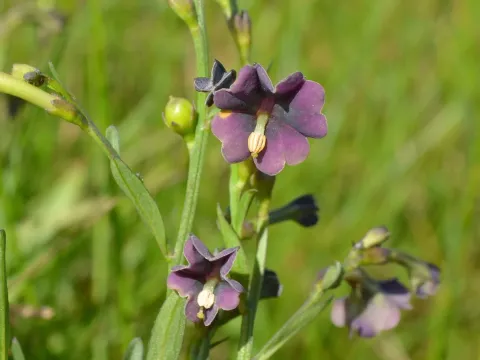
Botanically, Schwenckia plants are characterized by alternate or whorled leaves and distinct tubular flowers. The corolla typically exhibits a unique structure with elongated lobes, making these species easily identifiable within the broader Solanaceae family.
These plants thrive in warm and humid tropical climates, meaning that cultivation in temperate regions is generally restricted to greenhouses or indoor conservatory settings. They are highly sensitive to thermal fluctuations and require consistent humidity levels.
Successful growth requires fertile, well-draining soil with a neutral to slightly acidic pH. It is essential to provide the plants with bright, filtered light, as direct exposure to intense noon sun can result in leaf scorching.
From an agricultural standpoint, Schwenckia is not a commercial crop but serves as a subject of significant interest for botanical collections and research into the evolutionary traits of the Solanaceae family.
Like many members of the Solanaceae family, Schwenckia can be susceptible to common fungal diseases, including powdery mildew and late blight, particularly if humidity management is inadequate.
The primary pests affecting this culture in greenhouse environments are spider mites and whiteflies. These pests tend to flourish in conditions characterized by high temperatures and low air circulation.
Effective pest management involves consistent monitoring of plant health and the maintenance of a balanced microclimate to prevent environmental stress that makes the plants more vulnerable.
If an infestation occurs, it is recommended to utilize biological pest control methods or targeted, mild insecticides suitable for greenhouse use, ensuring that the treatment does not damage the delicate flower structures.
Disease prevention is largely based on providing adequate ventilation and avoiding waterlogging in the root zone, which is critical for maintaining the overall vigor and resistance of the plants.