
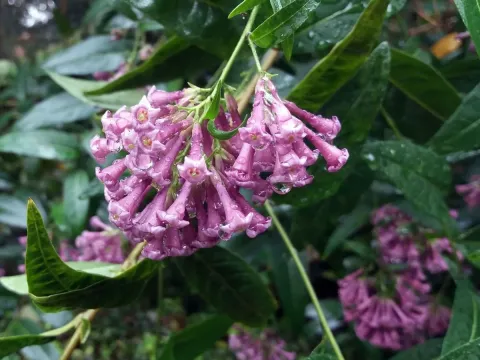
Cestrum
Cestrum cultum
Cestrum is a genus of evergreen shrubs belonging to the Solanaceae family. These plants are widely recognized for their night-scented, tubular flowers and are frequently grown in greenhouses, conservatories, or as container plants in temperate regions.
What the section contains
Cestrum
The genus originates from tropical and subtropical regions of the Americas. As a tender perennial, it requires protection from frost and thrives in climates where temperatures remain consistently above 10 degrees Celsius throughout the year.
Successful cultivation depends on high-quality, well-draining soil rich in organic matter. A slightly acidic to neutral substrate pH is ideal to ensure optimal nutrient uptake and to support robust vegetative growth during the summer season.
The plant demands ample sunlight but performs best when provided with light afternoon shade to prevent leaf scorching. In indoor environments, placing the plant near a sunny window is necessary for successful flower bud initiation.
Regular maintenance involves consistent watering during the growing season and balanced liquid fertilization. Pruning immediately after the flowering period is critical to maintain shape and encourage dense, bushier growth for the following season.
Common pests that affect Cestrum include aphids, spider mites, and whiteflies. These pests thrive in warm, sheltered environments and can rapidly weaken the plant by feeding on its foliage and stems if left unchecked.
Fungal issues, particularly root rot, are frequent problems caused by poor drainage or overwatering. Additionally, powdery mildew may develop if the plant is kept in conditions with high humidity and stagnant air circulation.
Management strategies involve the application of appropriate systemic insecticides to manage pest populations. For fungal infections, cultural changes such as improved airflow and the use of copper-based fungicides are often recommended.
Proper sanitation practices, including the removal of dead or decaying foliage, are essential to minimize the risk of disease spread within a collection. Always keep the growing area clean and well-ventilated.
Gardeners should be aware that Cestrum species contain toxic alkaloids. Proper personal protective equipment, such as gloves, should be used during pruning, and the plant should be kept away from children and pets to avoid accidental ingestion.