
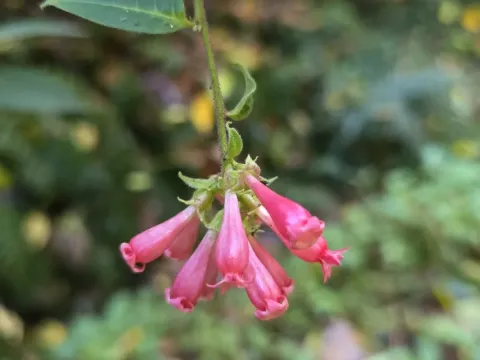
Cestrum elegans
Cestrum elegans
Cestrum elegans, commonly known as the purple cestrum or elegant cestrum, is a vigorous evergreen shrub belonging to the Solanaceae family. Native to the mountainous regions of Mexico, it has become a sought-after plant for temperate gardens and indoor conservatories.
What the section contains
Cestrum elegans
The plant is defined by its ovate-lanceolate leaves and spectacular, dense clusters of tubular flowers. These blossoms display a vibrant crimson-purple hue and are highly fragrant, especially in the evening hours, attracting various pollinators in their natural habitat.
For optimal growth, Cestrum elegans requires a location with bright, indirect sunlight. While it can tolerate partial shade, insufficient light often results in weak, leggy stems and reduced floral display, which diminishes its ornamental value.
The substrate must be fertile, moist, and well-draining to prevent root asphyxiation. Gardeners should opt for a soil mix enriched with organic compost, ensuring the pH levels remain slightly acidic to neutral for maximum nutrient uptake by the root system.
Regular maintenance includes pruning after the flowering season to manage the plant's size and encourage a denser branching structure. As it is not frost-tolerant, it must be protected from cold temperatures and kept in a frost-free environment during the winter months.
The most common pests affecting Cestrum elegans are aphids and spider mites. These small insects thrive in low-humidity environments, and their feeding activities can quickly drain the plant's vigor if not addressed with prompt biological or chemical interventions.
Whiteflies are another significant threat, particularly in greenhouse cultivation. Their presence is often detected by the sticky honeydew residue on leaves, which may also facilitate the growth of sooty mold, further damaging the foliage and photosynthesis capacity.
Root rot, caused by overwatering or poorly draining soil, is a critical issue that can prove fatal to the shrub. To mitigate this risk, it is essential to allow the top layer of the substrate to dry slightly between watering sessions to ensure proper aeration.
Fungal infections, such as powdery mildew, may occur if the plant is grown in areas with high humidity and poor air circulation. Applying a balanced fungicide and ensuring that the plant is spaced correctly within its environment can effectively prevent outbreaks.
Regular monitoring of the underside of the leaves is a key agronomic practice to detect early signs of infestation. Integrated pest management, including the use of neem oil or insecticidal soap, is recommended to keep the plant healthy without causing damage to the environment.